Zone 6a · last frost April 20 · first frost October 15
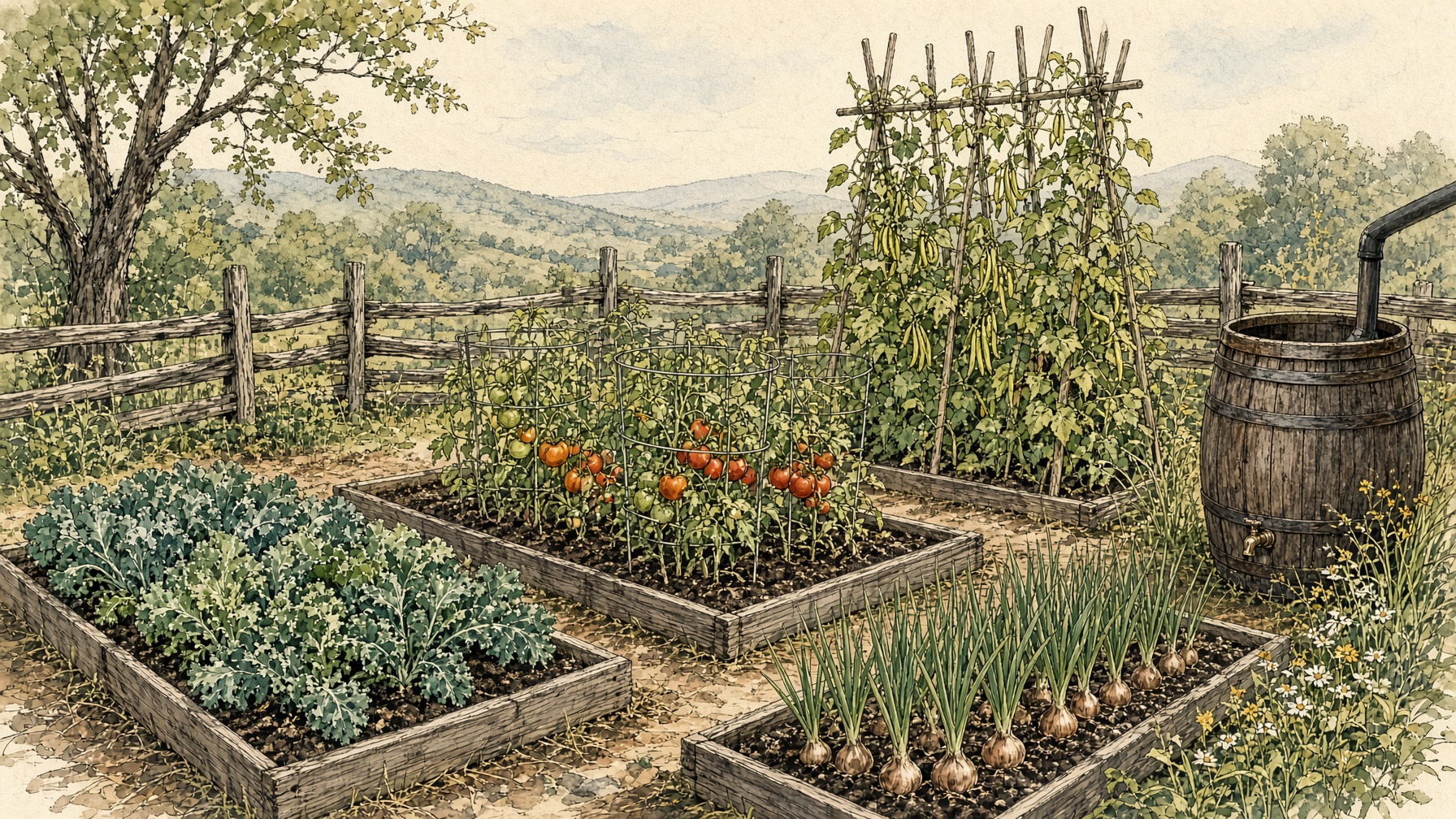
Grow food on this ground
Silt loam and clay-loam on the uplands; deep alluvial silt in the Laughery and Ohio bottoms. Upland clay needs organic matter. Bottoms are fertile and flood.
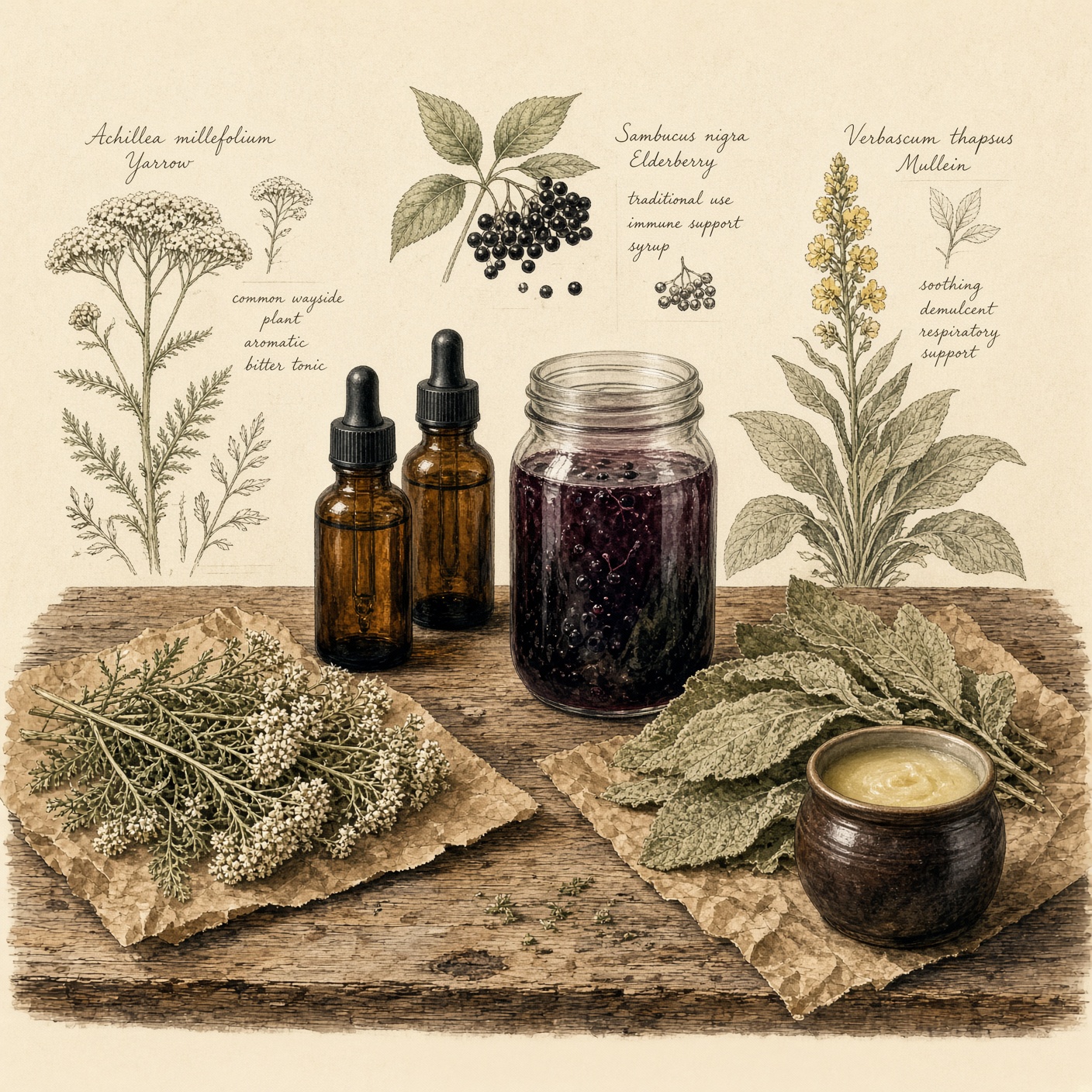
Apothecary
Tinctures, elder syrup, cough teas, and remedies from plants that grow here.
USDA zone
6a
Frost-free
175 days
Winter low
−10 to −5°F
Crops
Staples first. Plant what stores. Flavor second.
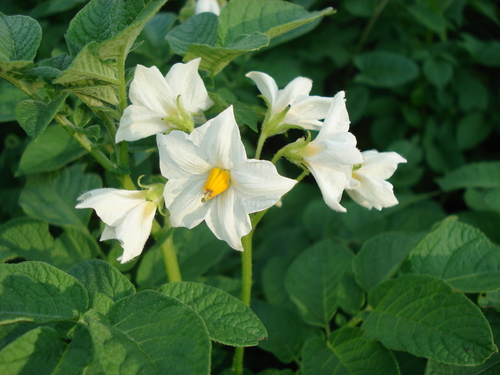
Potato
staple
Your calorie insurance. Stores in a dark 40°F cellar from October to April.
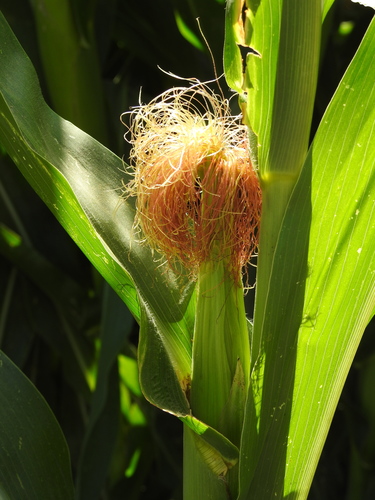
Dent corn (field corn)
staple
Hominy, cornbread, chicken feed, and hog fattening. Sweet corn will not store.
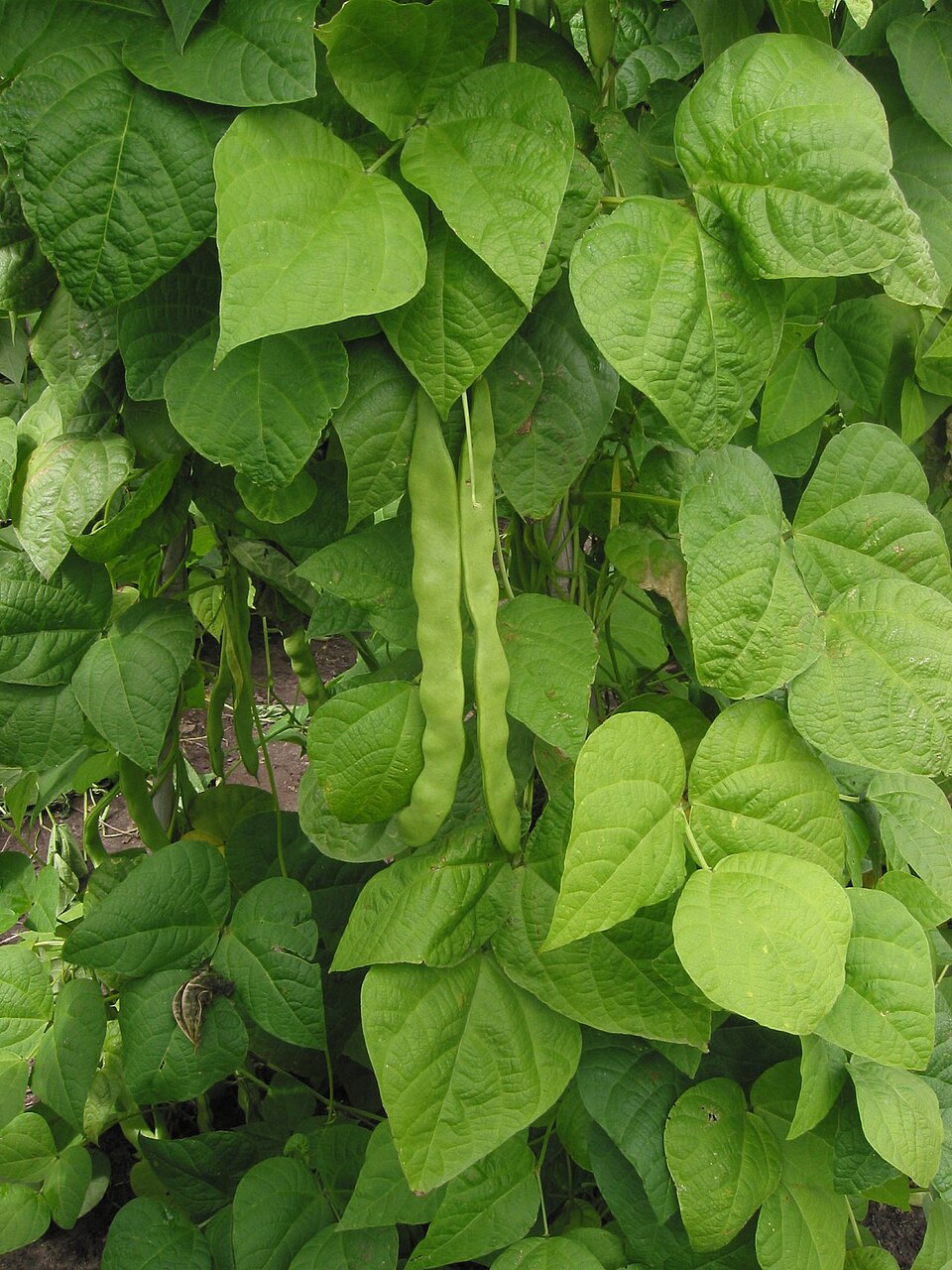
Dry bean
staple
Protein that sits on a shelf. Bush for speed, pole for yield per square foot.
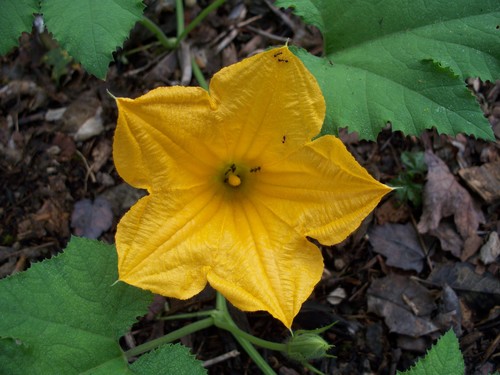
Winter squash
staple
Waltham butternut, Hubbard, and candy-roaster keep until March on a shelf.
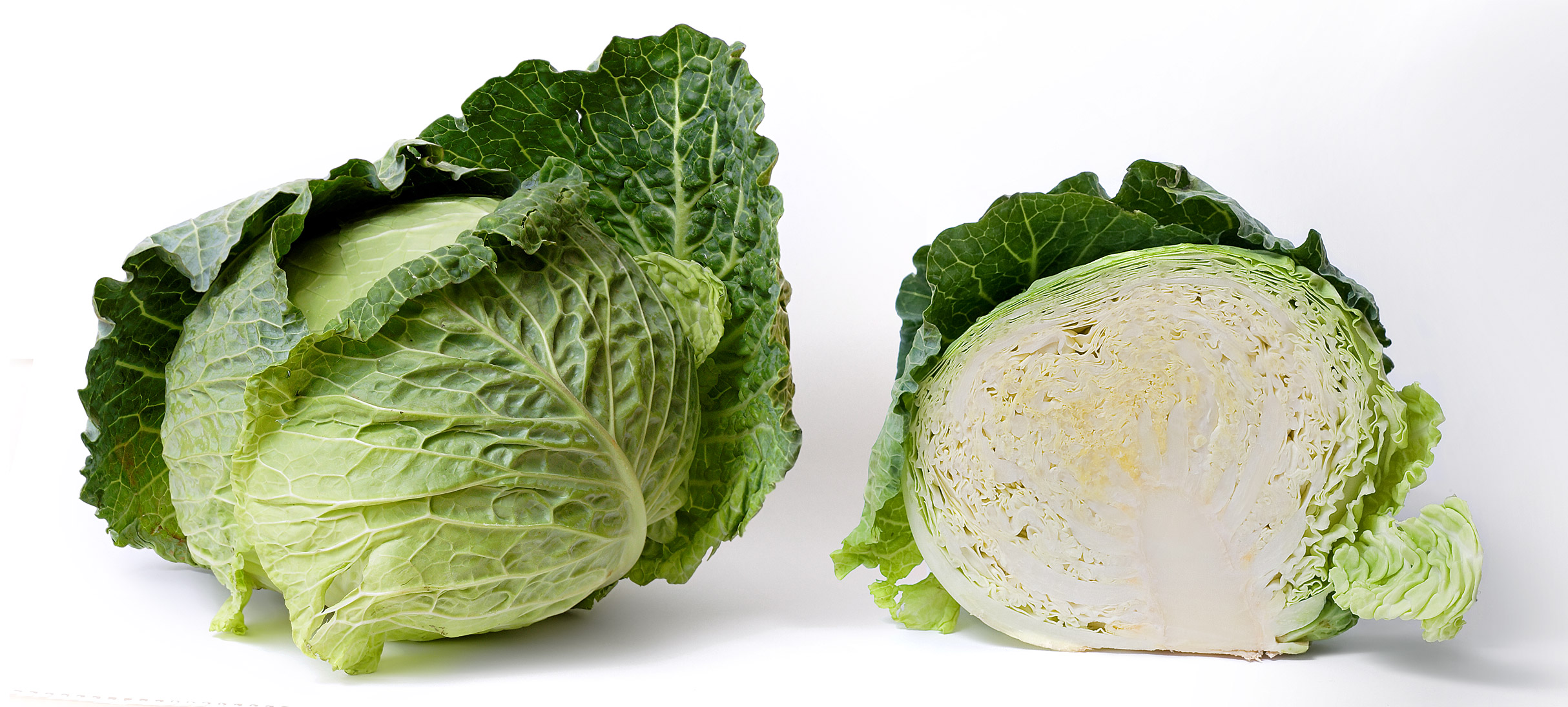
Cabbage
vegetable
Fresh slaw in June, sauerkraut in November. The fermented one is your winter vitamin C.
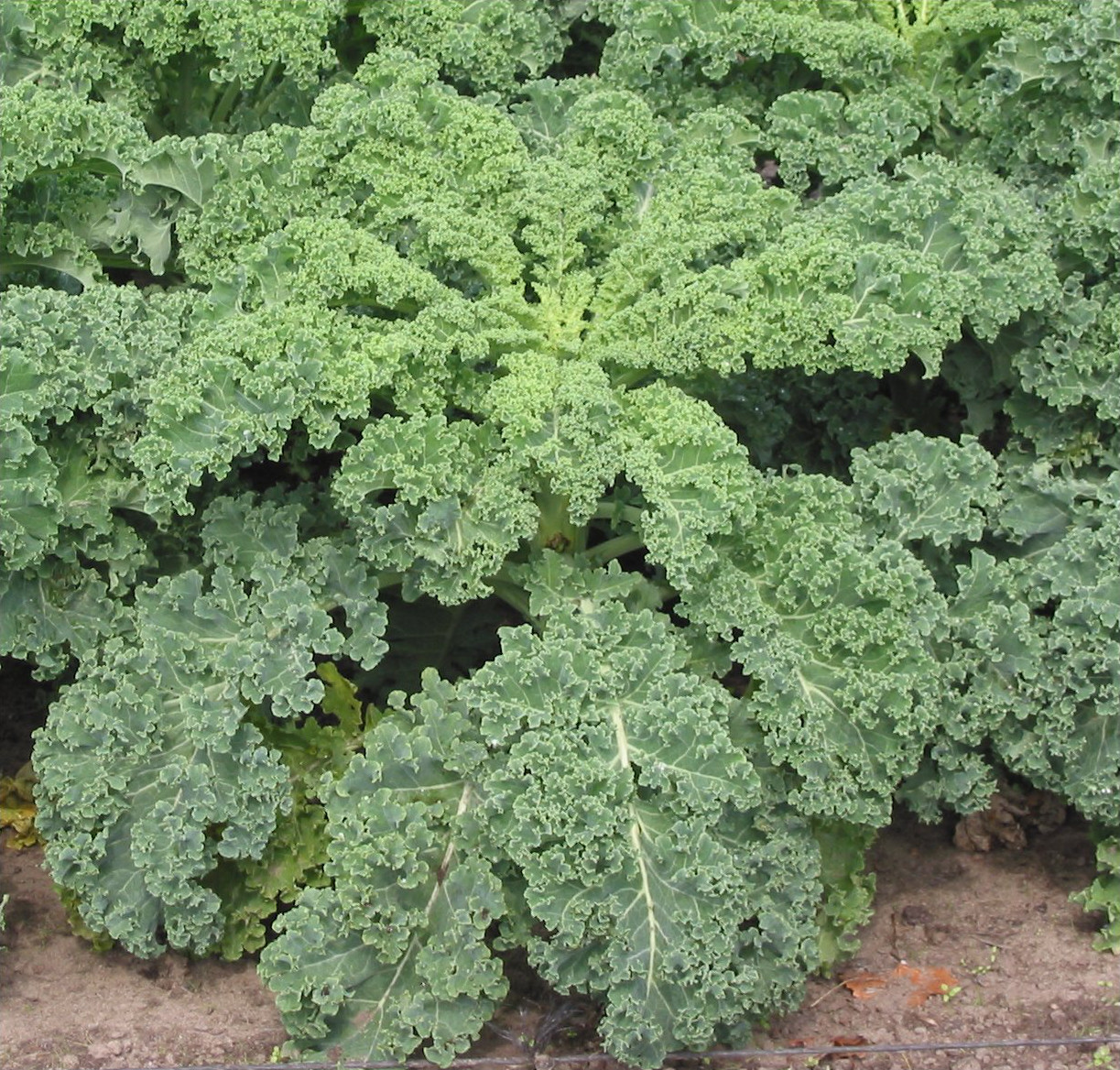
Kale & collards
vegetable
The greens that laugh at October. Often still pickable after Christmas against a south wall.
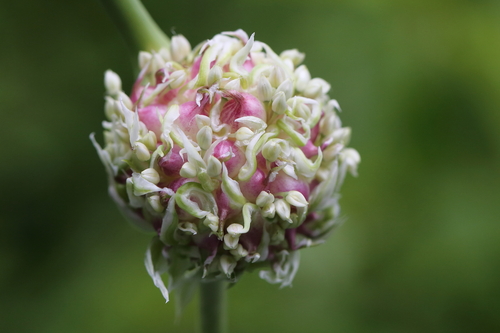
Onion & garlic
vegetable
Flavor, medicine, and storage. Garlic is planted in October — don’t miss it.
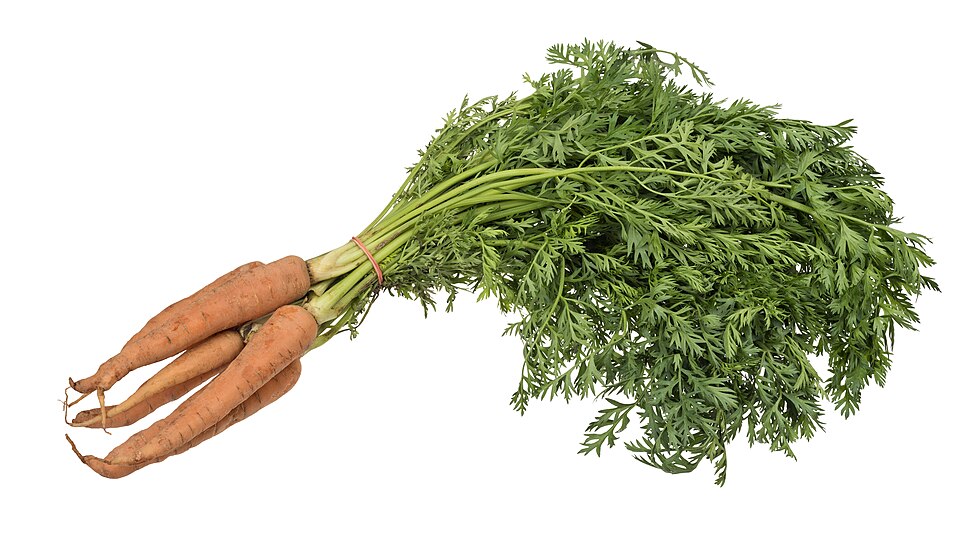
Carrot & beet
vegetable
Roots that live in the ground until you need them. Beets also give you greens.
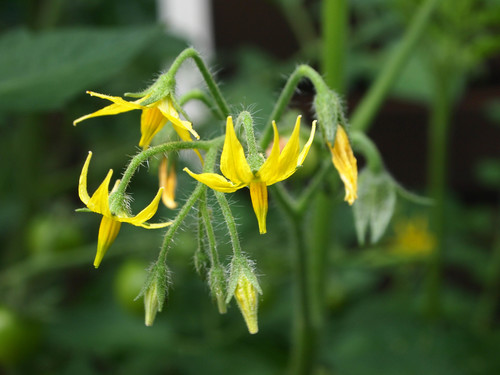
Tomato
vegetable
Sauce, salsa, and the morale crop. Not a staple — a reason to keep going.
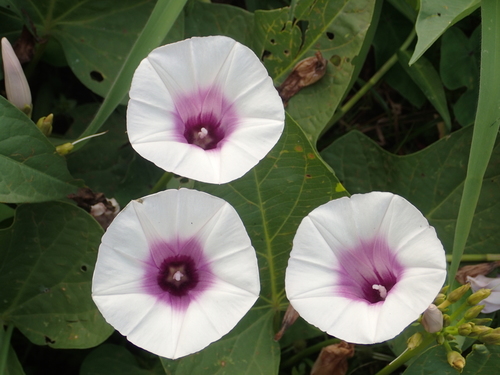
Sweet potato
staple
Loves our hot summers. A box of cured sweets lasts until April.

Lettuce, pea & radish
vegetable
The 30-day crops. Plant them every two weeks from March to May and again in August.
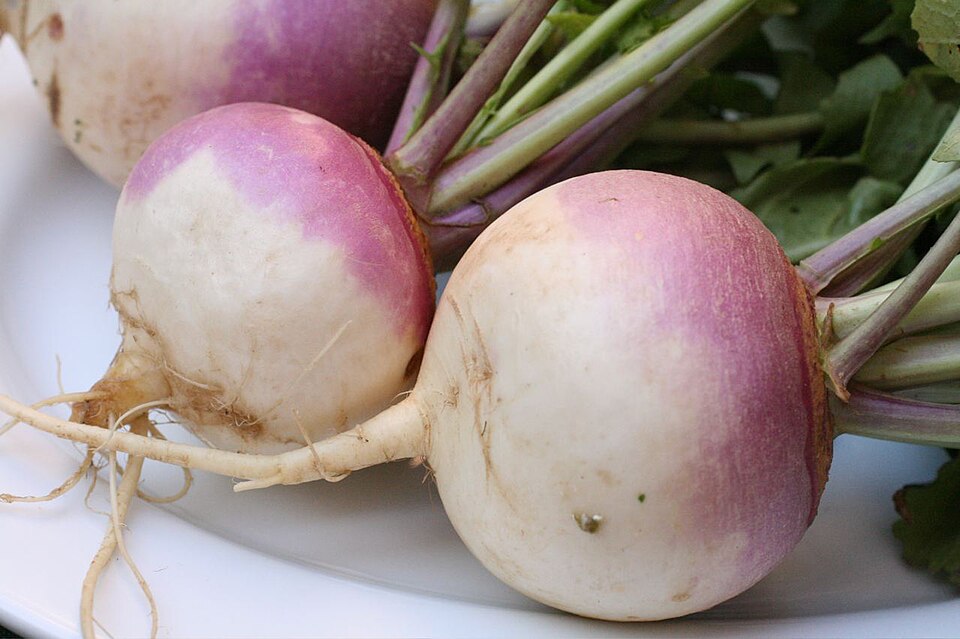
Turnip & rutabaga
staple
Sown in late July, pulled after frost, buried in sand. Peasant food that works.

Sunflower
feed
Oil seed and chicken feed. Mammoth for seed, multi-head types for blooms and birds.
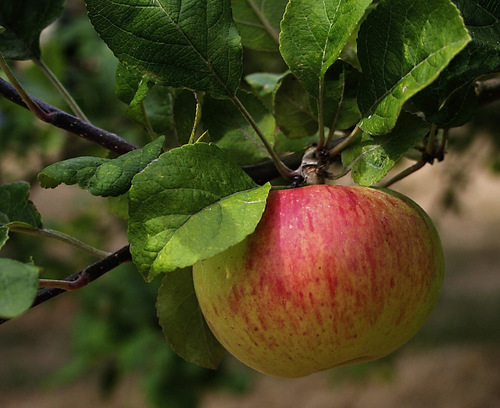
Apple (and pear)
fruit
If you have one tree, learn to keep it. Fresh fruit, cider, sauce, dried rings.
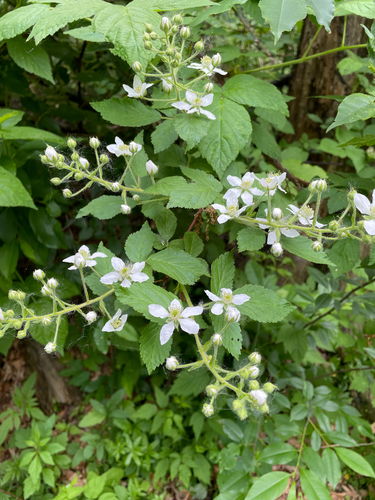
Blackberry & raspberry
fruit
Wild blackberries are already on your fencerows. Tame a row and you have jam forever.
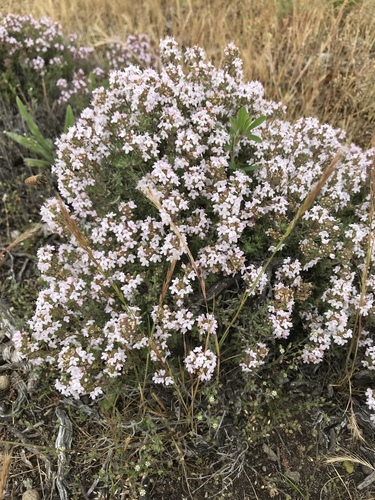
Kitchen herbs
herb
Thyme, sage, rosemary, mint, oregano, dill, parsley. Medicine cabinet and flavor.
Livestock
Start with hens. Add rabbits for meat. Goats if you have fence. Pigs if you have feed.
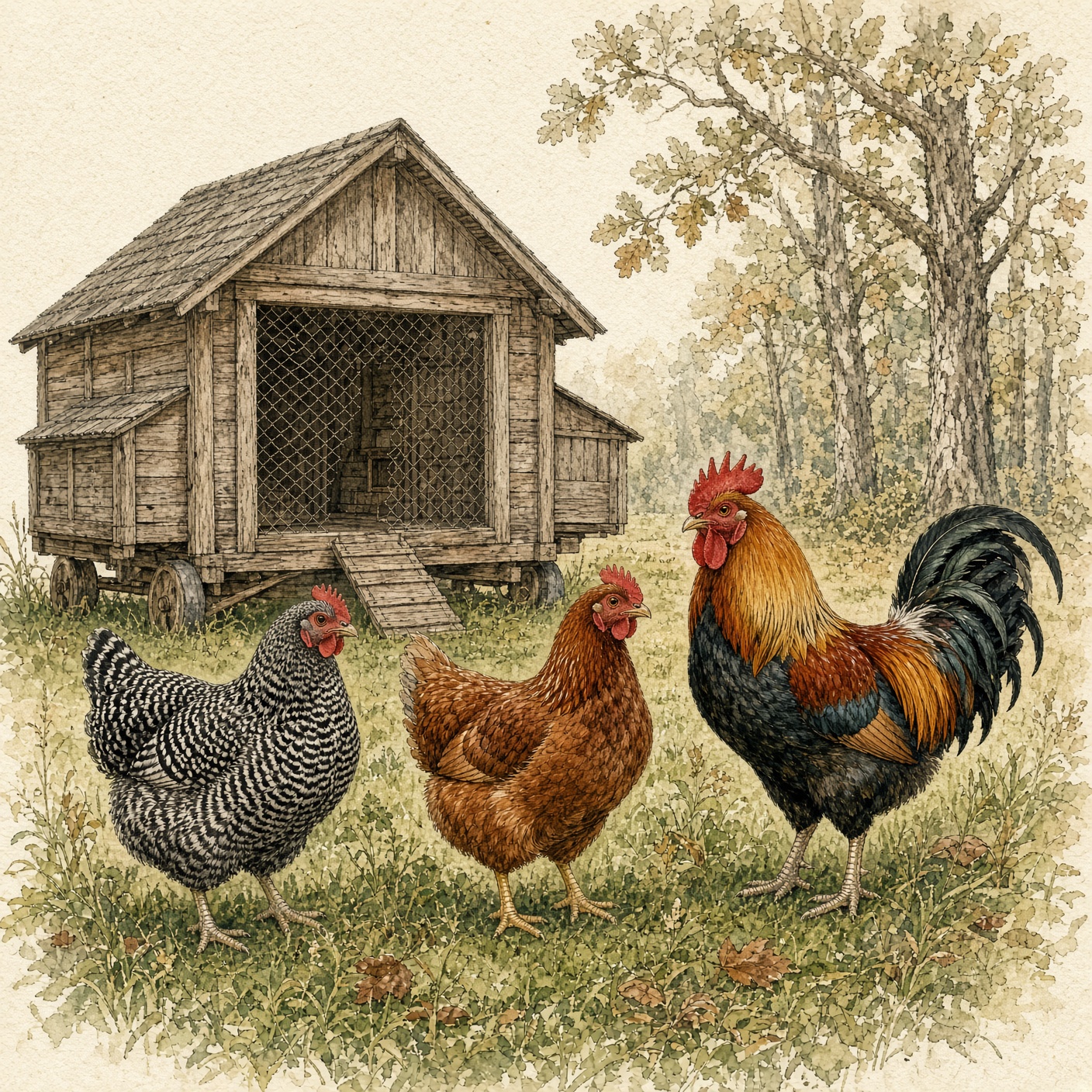
Chickens
Eggs, meat, pest control
Start here. A small flock is the fastest path to daily protein on a Dearborn County lot.
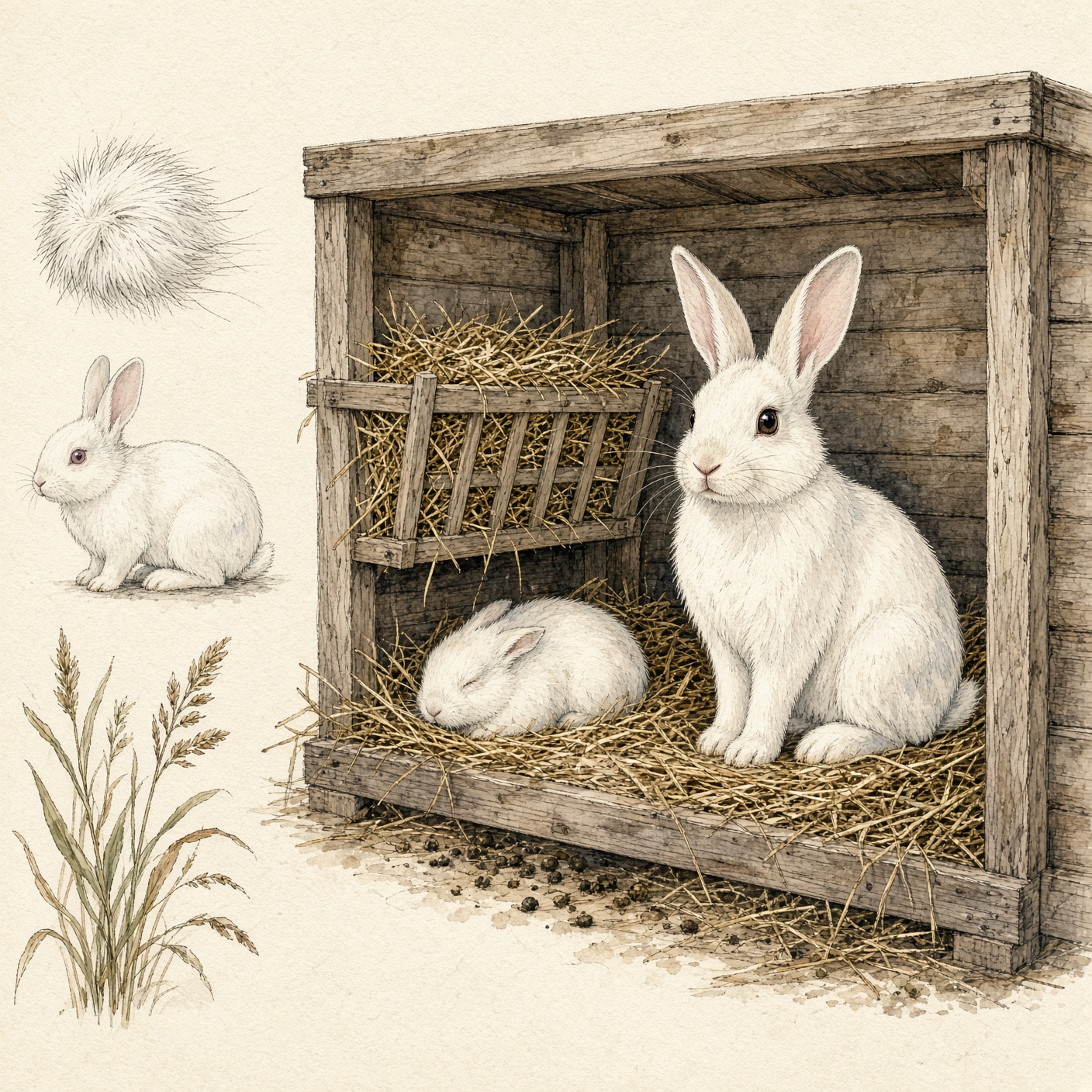
Rabbits
Meat, pelts, quiet protein
The most meat per pound of feed you can raise in town without a tractor. Quiet. Fast.
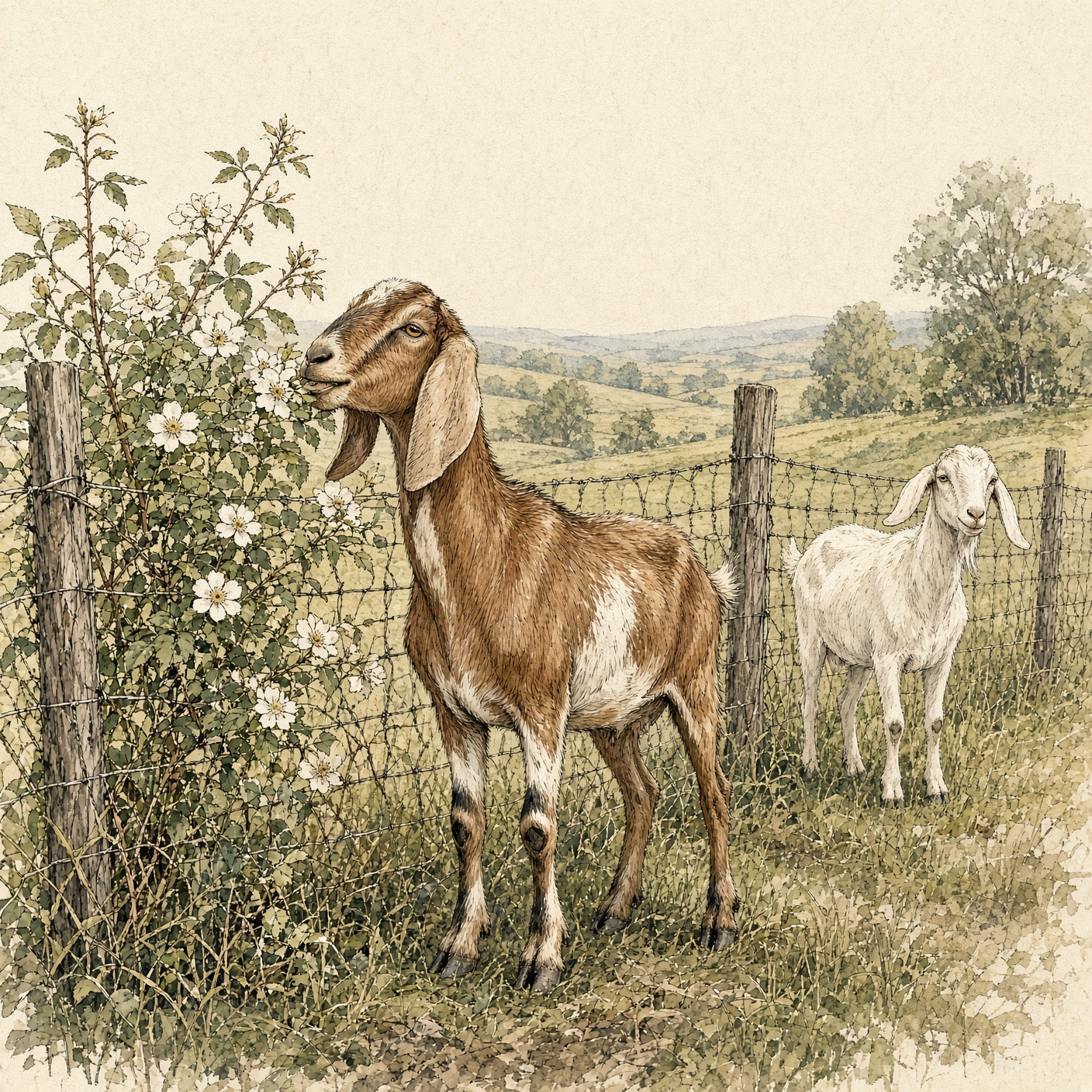
Goats
Milk, brush control, kids for meat
A pair of does will clear multiflora rose and put milk on the table. They will also test every fence you own.
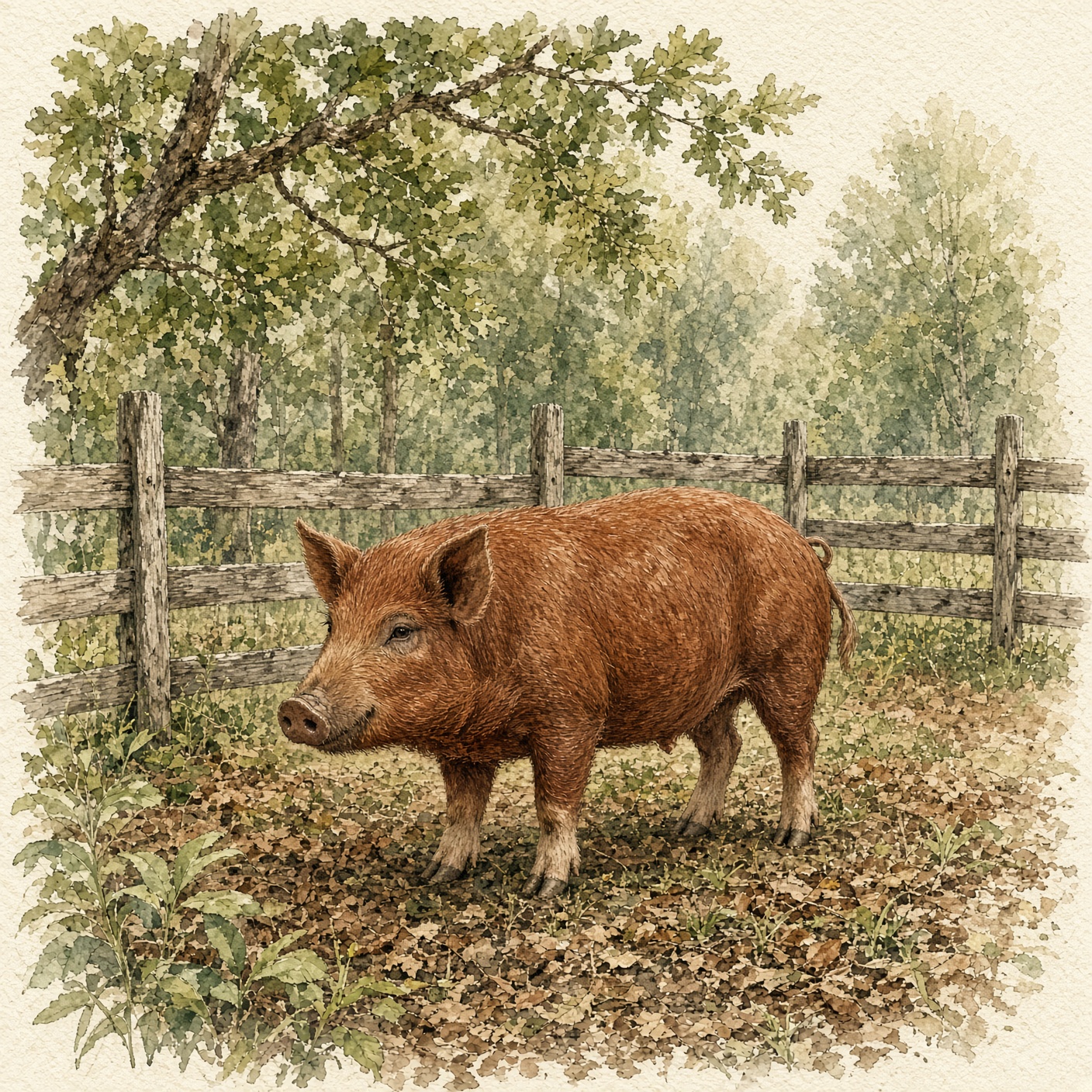
Pigs
Meat, lard, waste conversion
A pair of weaned feeders in April is October lard and ham. They turn acorns, whey, and garden waste into calories.
Honeybees
Honey, wax, pollination
A living sugar factory and the reason your squash sets fruit. Steeper learning curve, huge payoff.
Ducks
Eggs, slugs, wet-ground birds
Better layers than chickens in winter, murder on slugs, and they don’t scratch the garden to death.