Field guide
Plants, fungi, and wildlife of Dillsboro and the Laughery Creek hills. Bundled on the device — works with no signal.
73 plates
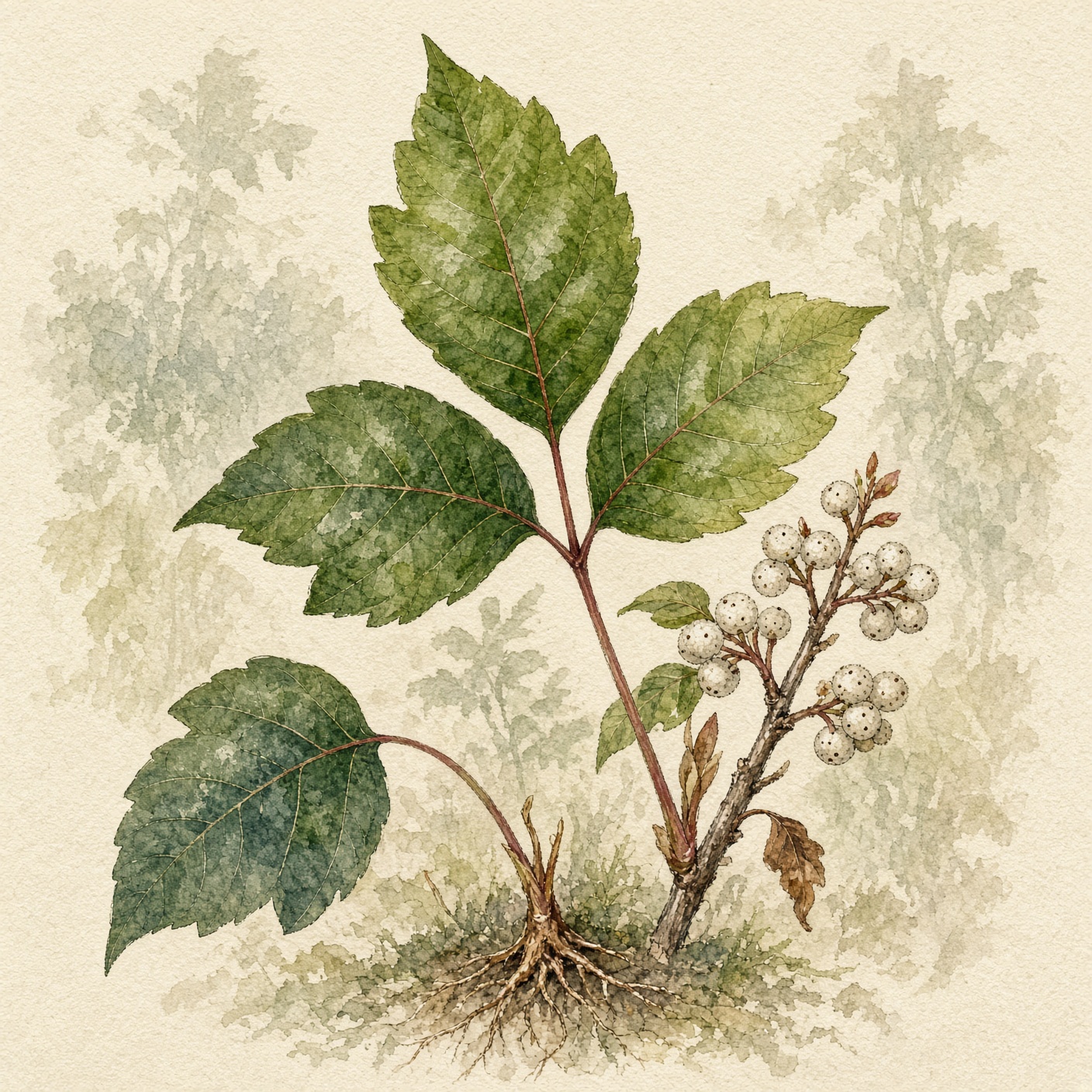
Poison ivy
Toxicodendron radicans
Three leaflets, urushiol oil. The plant that hospitalizes more Hoosiers than any snake.
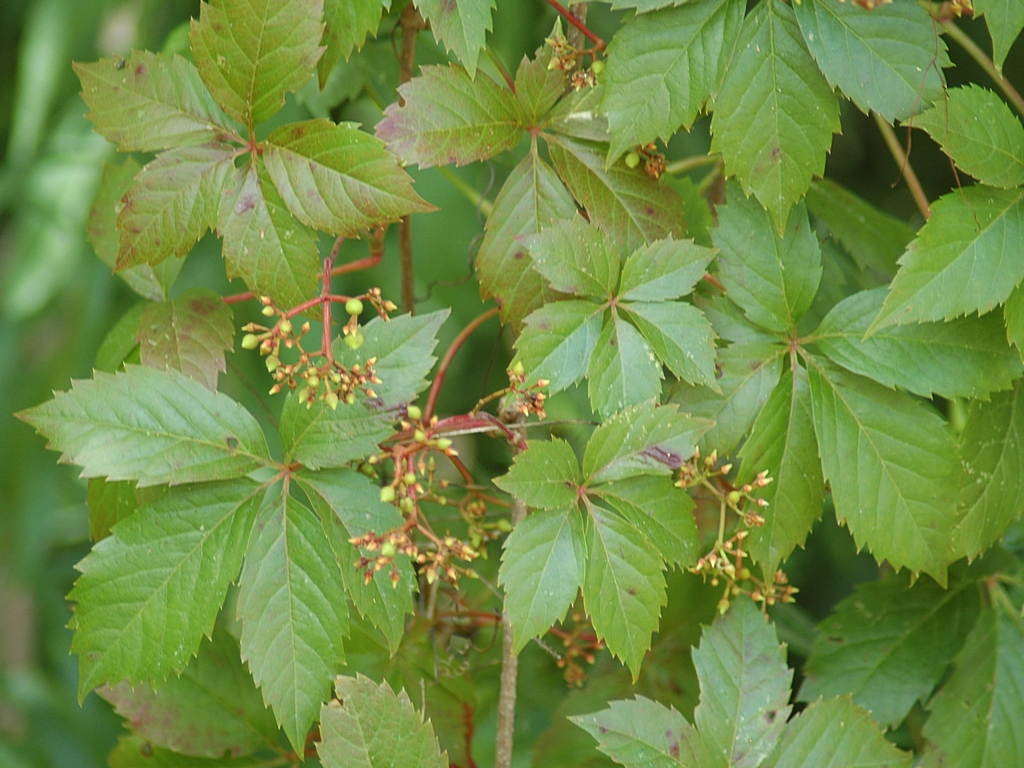
Virginia creeper
Parthenocissus quinquefolia
Five leaflets from one point. Harmless lookalike of poison ivy.
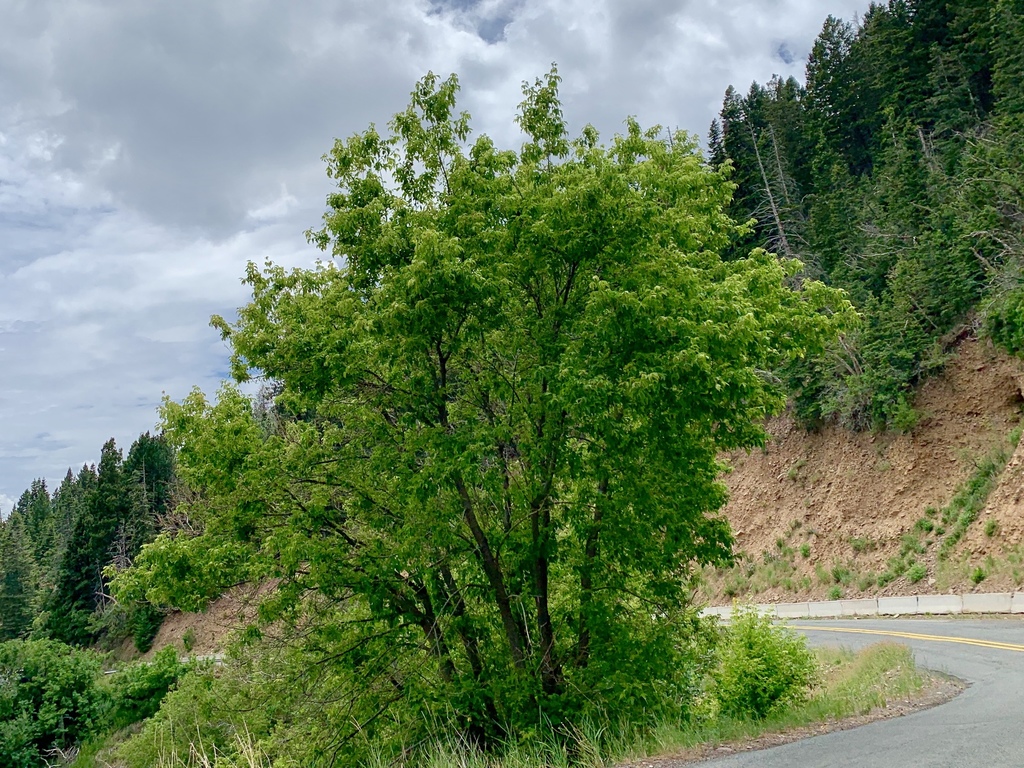
Boxelder
Acer negundo
Maple with compound leaves. Seedlings are often mistaken for poison ivy.
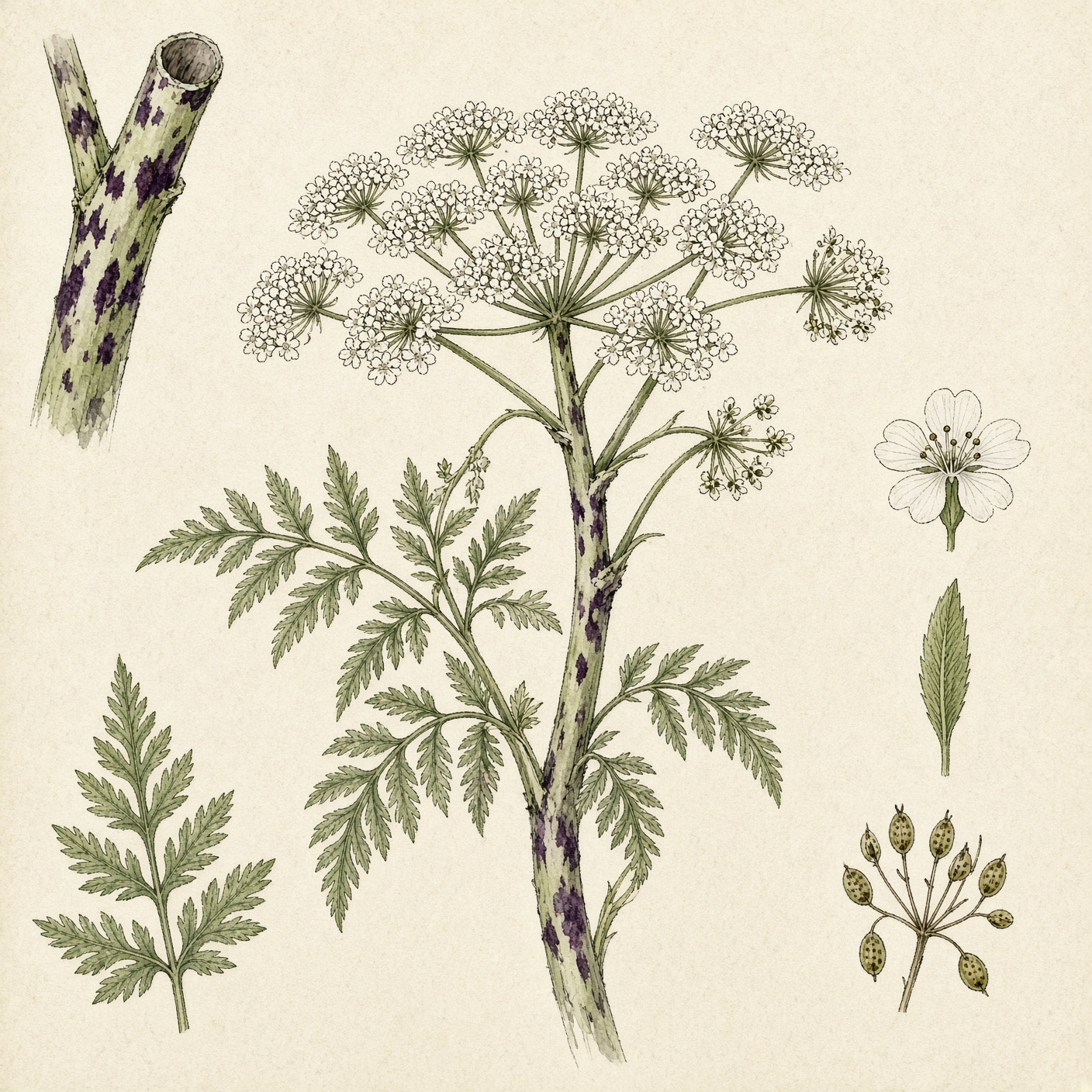
Poison hemlock
Conium maculatum
Purple-splotched hollow stems, lacy leaves, white umbels. Deadly. Do not touch your mouth after handling.
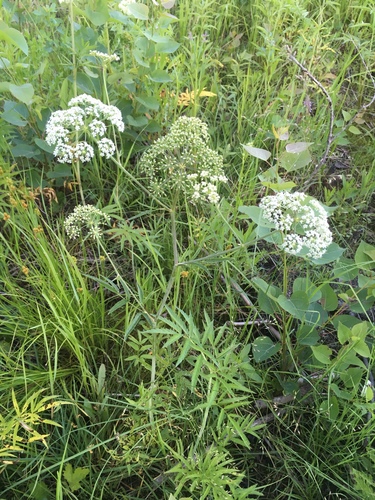
Water hemlock
Cicuta maculata
The most violently toxic plant in Indiana wetlands. Chambered root, purple-streaked stems.
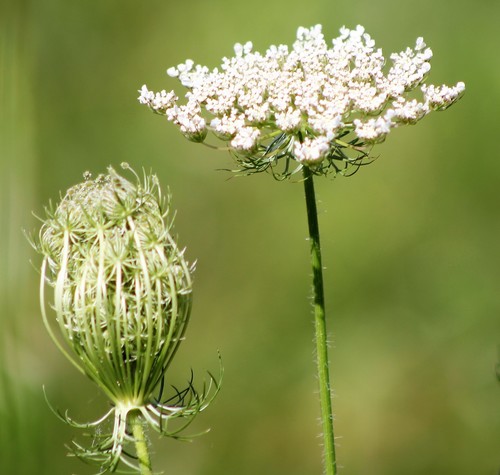
Queen Anne’s lace
Daucus carota
Wild carrot. Hairy stem, one dark floret in the white lace, carrot-scented taproot.
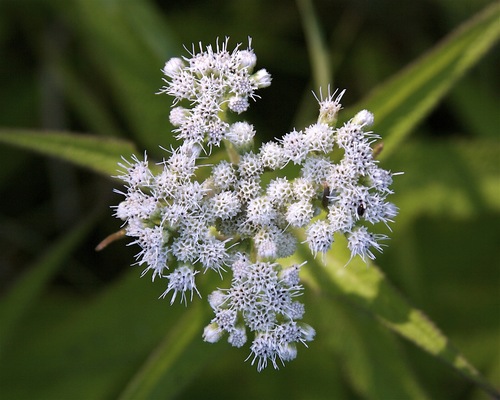
White snakeroot
Ageratina altissima
Shade wildflower that makes milk poisonous. Caused milk sickness on the Indiana frontier.
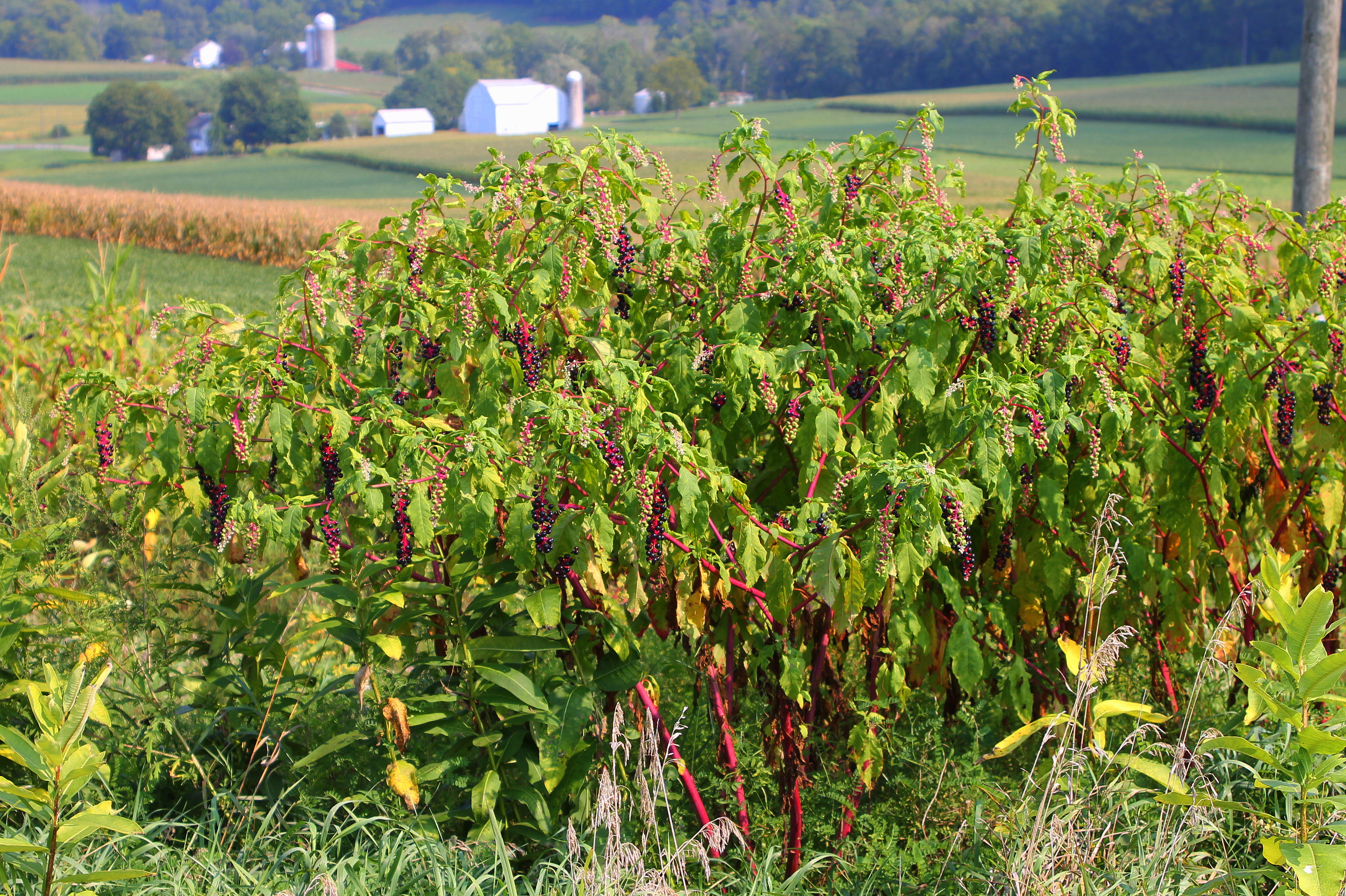
Pokeweed
Phytolacca americana
Magenta stems, black-purple berries. Young shoots were cooked as poke sallet; roots and berries are toxic.
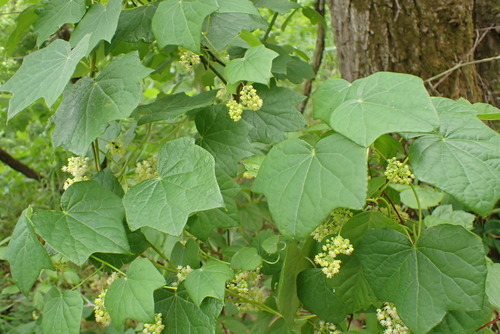
Canada moonseed
Menispermum canadense
Grape lookalike with no tendrils and a crescent seed. Fruit is poisonous.
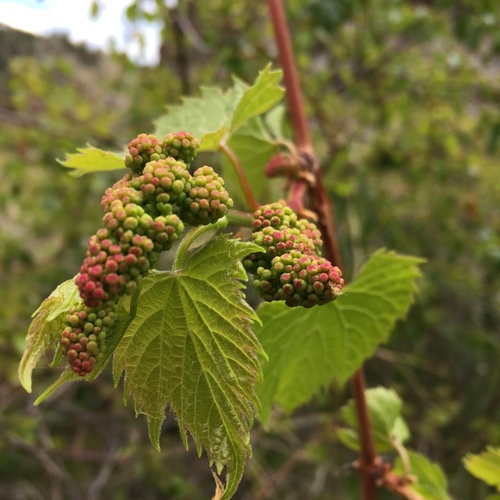
Wild grape
Vitis riparia / V. aestivalis
True grapes: peeling bark, forked tendrils, several pear-shaped seeds.
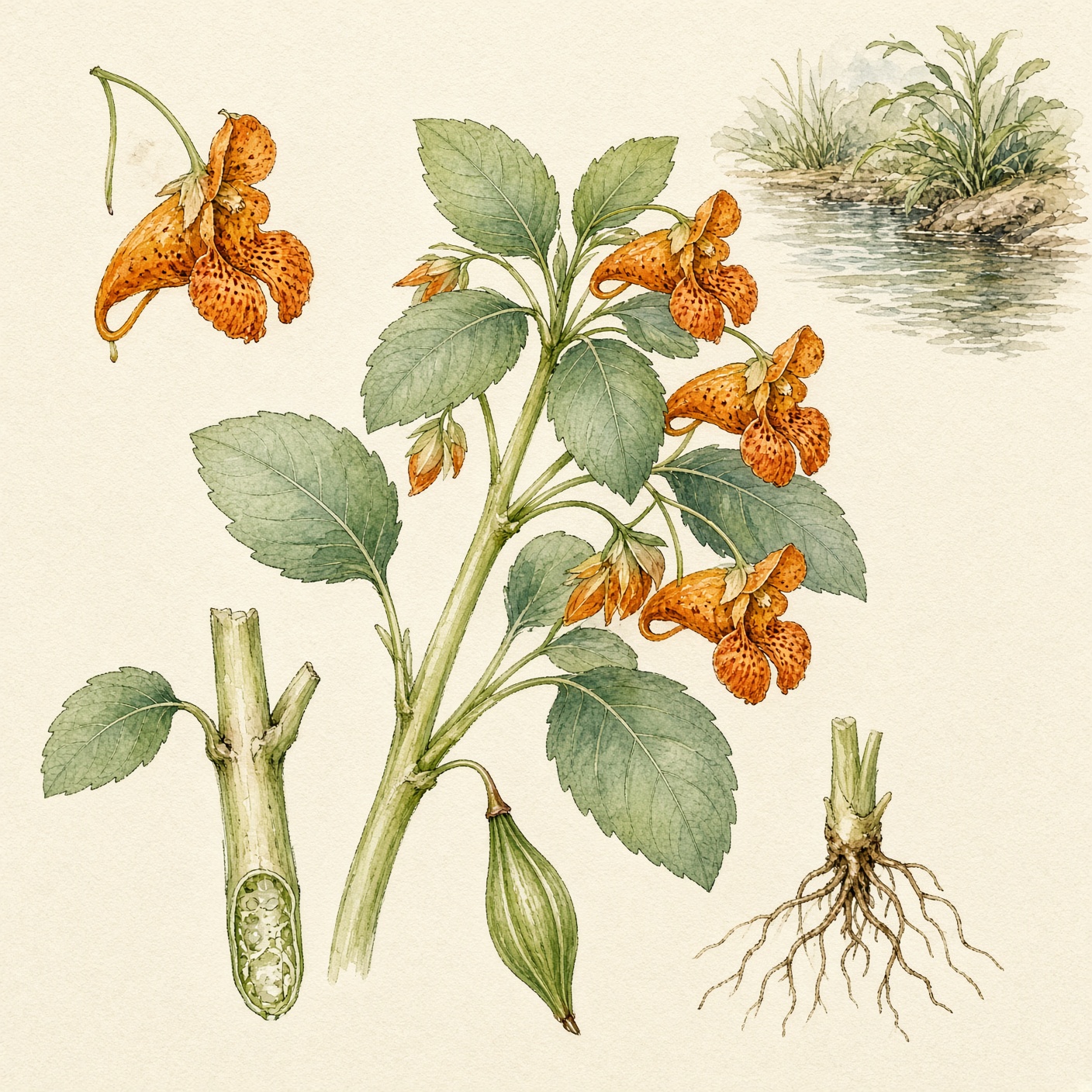
Jewelweed
Impatiens capensis
Orange spotted flowers, watery stems. Traditional wash for poison ivy and nettle.
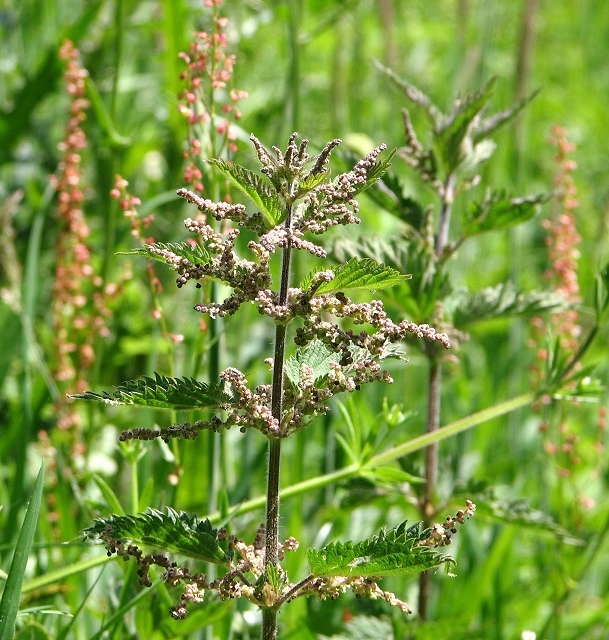
Stinging nettle
Urtica dioica
Opposite toothed leaves, stinging hairs. Excellent cooked green and fiber plant.
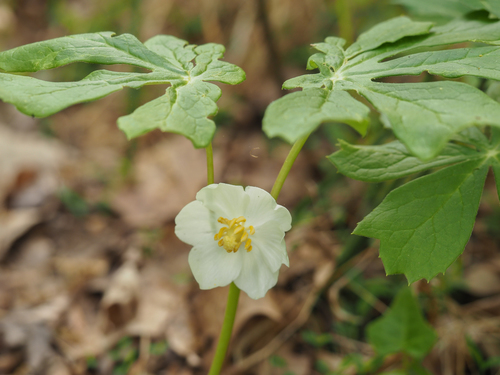
Mayapple
Podophyllum peltatum
Umbrella leaves in colonies. Only the ripe yellow fruit is edible; the rest is toxic.
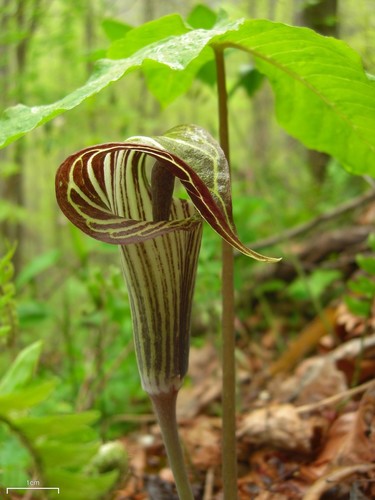
Jack-in-the-pulpit
Arisaema triphyllum
Hooded pulpit flower, three leaflets, clusters of red berries. Calcium oxalate — do not eat raw.
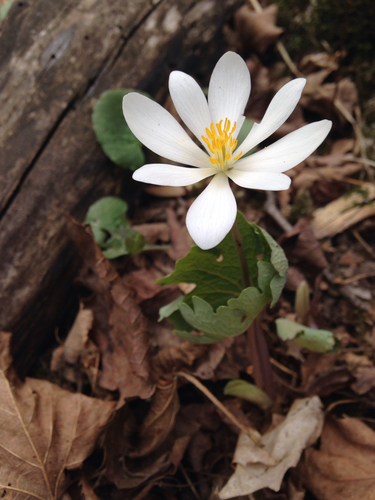
Bloodroot
Sanguinaria canadensis
Early white flower; orange-red sap. Sap is caustic — not a folk cure to play with.
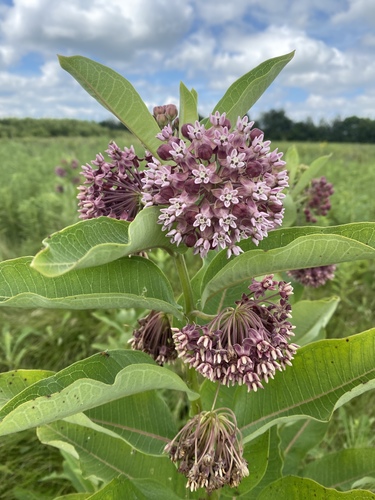
Common milkweed
Asclepias syriaca
Thick opposite leaves, pink flower balls, milky sap. Monarch host. Young shoots and pods are traditional food if boiled.
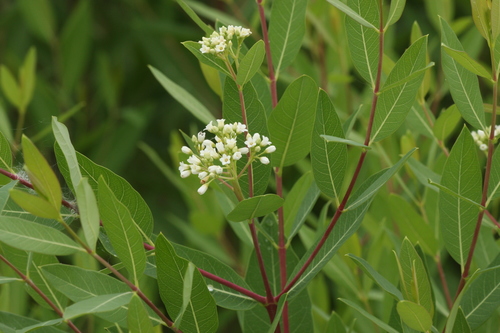
Hemp dogbane
Apocynum cannabinum
Milkweed cousin with branching stems and toxic sap. Superb cordage, bad food.
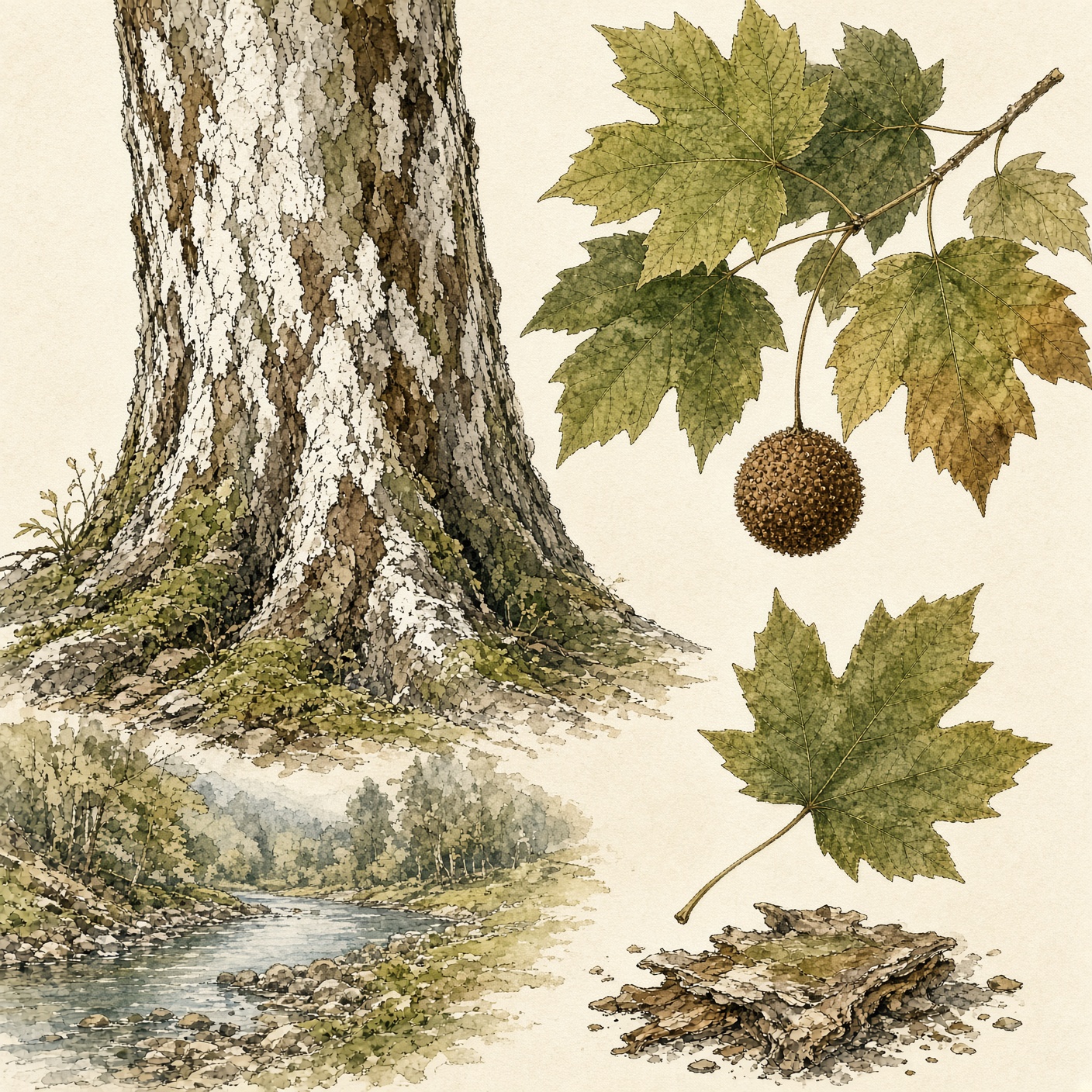
American sycamore
Platanus occidentalis
The white-boned giant of Laughery Creek. Mottled bark, maple-like leaves, hanging seed balls.
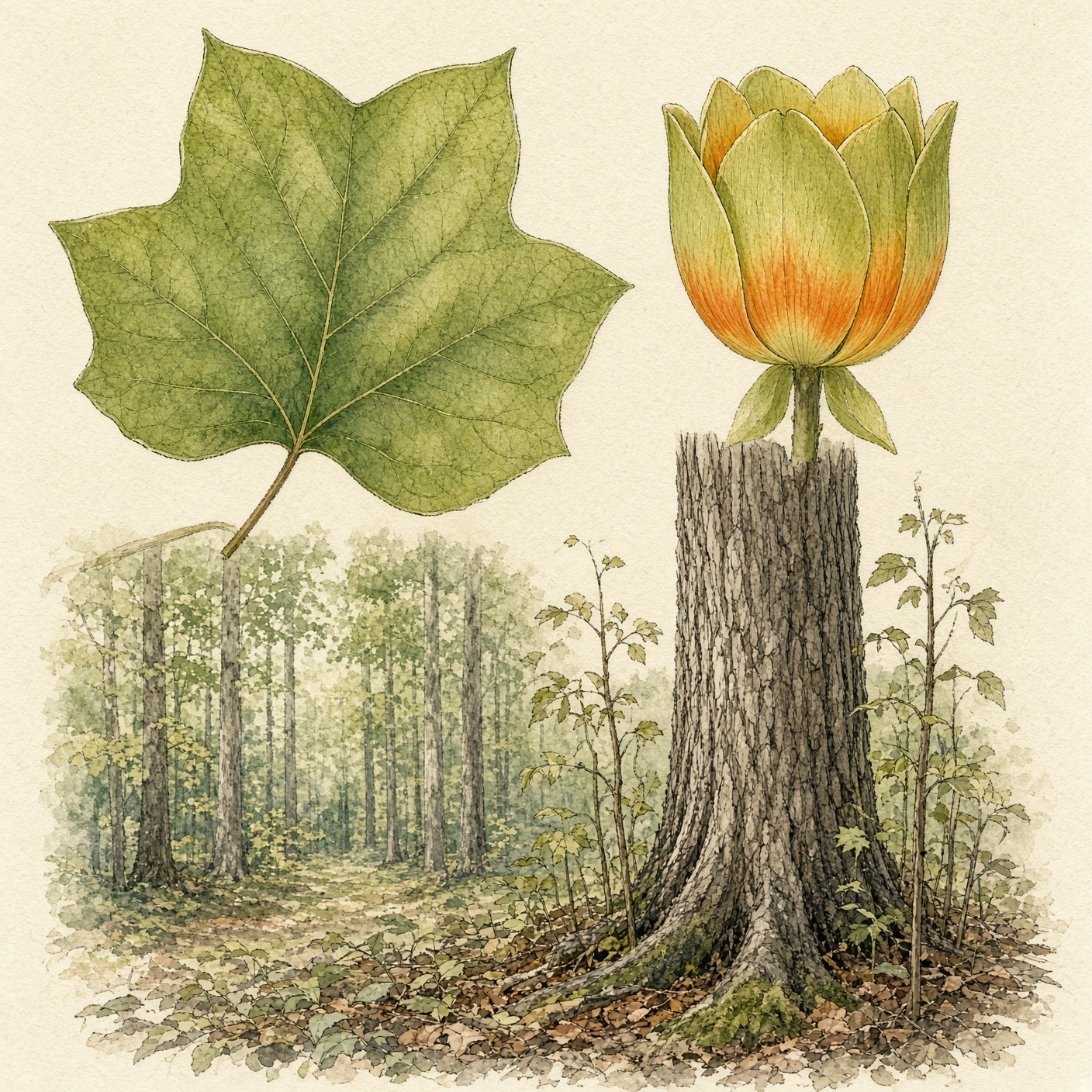
Tulip poplar
Liriodendron tulipifera
Indiana’s state tree. Four-lobed leaf with a notched tip; tulip flowers green and orange.
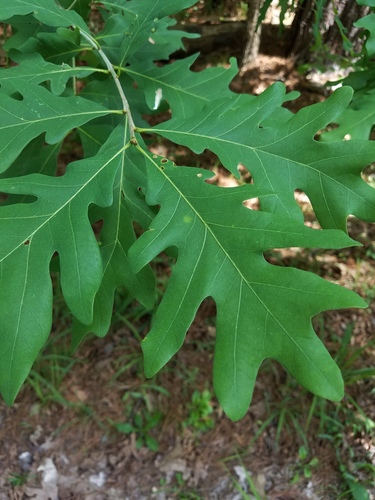
White oak
Quercus alba
Rounded lobes, light bark. The best wild starch in these woods — acorns leach sweet.
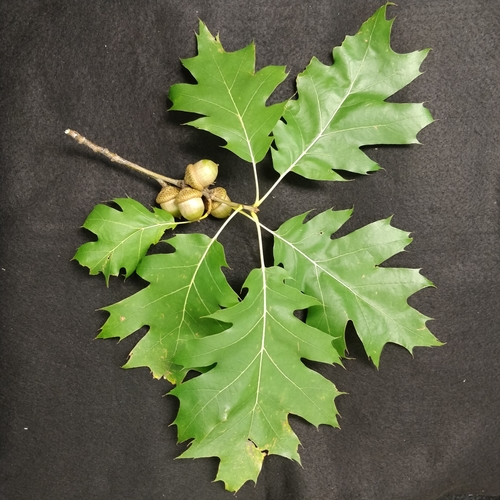
Northern red oak
Quercus rubra
Pointed bristle-tipped lobes. Acorns are bitter and need longer leaching than white oak.
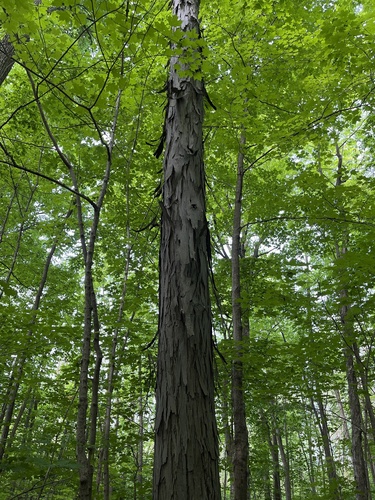
Shagbark hickory
Carya ovata
Long curling bark plates and the sweetest wild nut in the county.
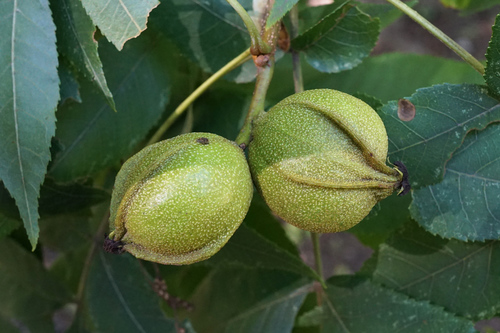
Bitternut hickory
Carya cordiformis
Sulfur-yellow buds, tight bark, bitter nuts. Smoke wood, not table nuts.
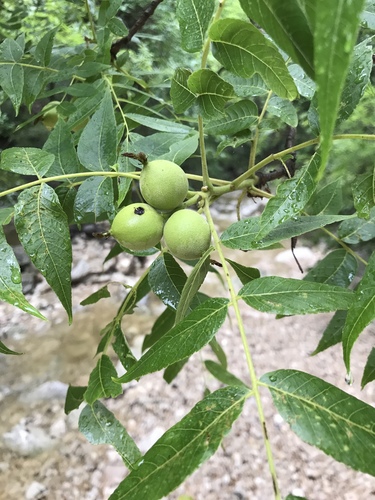
Black walnut
Juglans nigra
Chambered pith, tennis-ball green husks, rich oily nuts. Hulls stain everything.
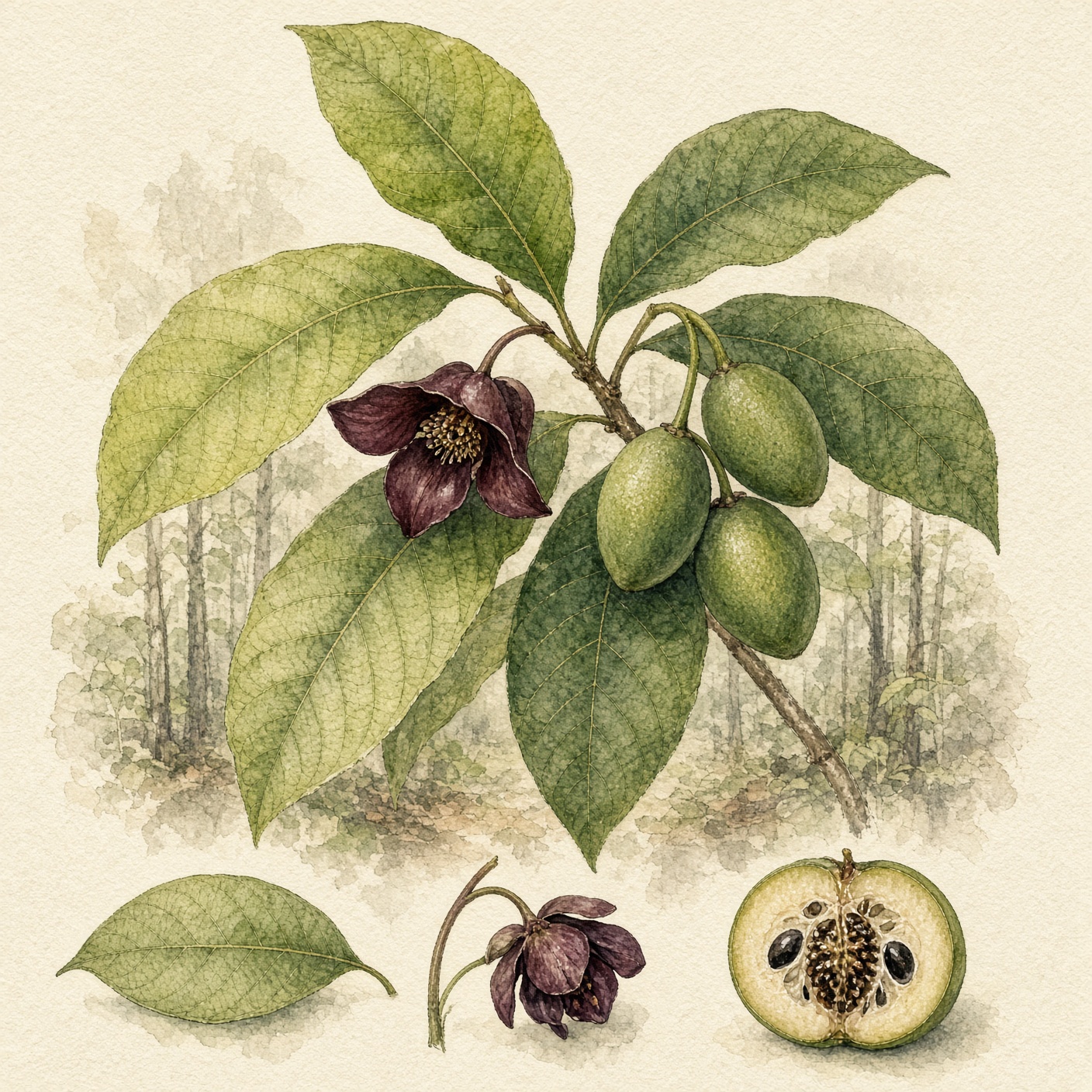
Pawpaw
Asimina triloba
Indiana banana. Large tropical leaves, maroon flowers, custard fruit in September.
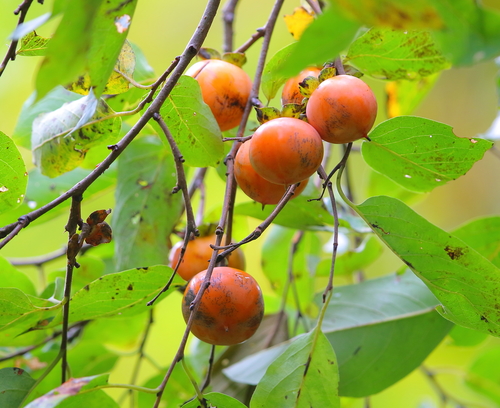
American persimmon
Diospyros virginiana
Blocky bark, orange fruit that is inedible until soft-ripe or frosted.
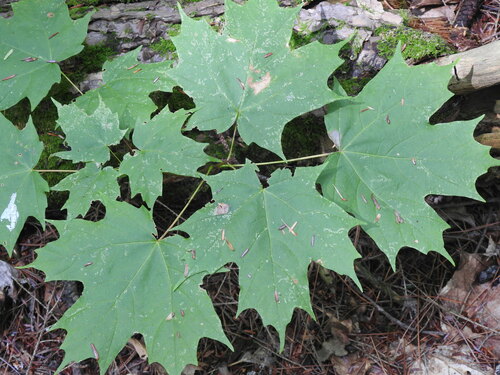
Sugar maple
Acer saccharum
Five-lobed leaf, sharp brown buds, the tap tree of a Dearborn winter.
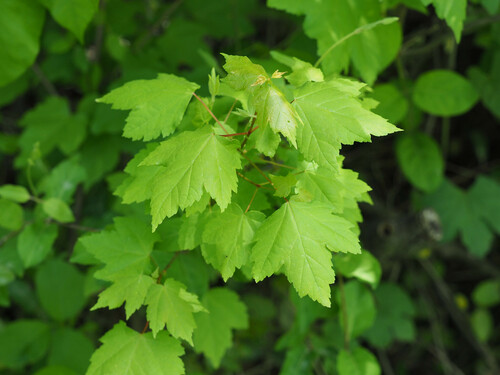
Red maple
Acer rubrum
V-shaped leaf sinuses, red buds and twigs. Sap is thinner than sugar maple.
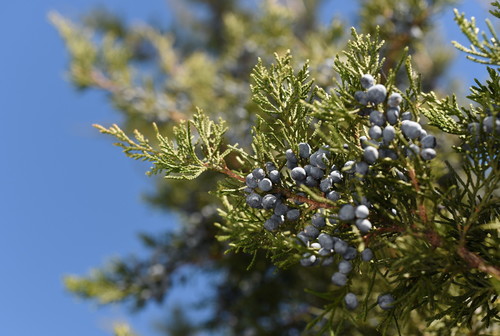
Eastern redcedar
Juniperus virginiana
Scale-leaved evergreen of old pastures. Blue ‘berries’ season gin and stew; mothproof chests.
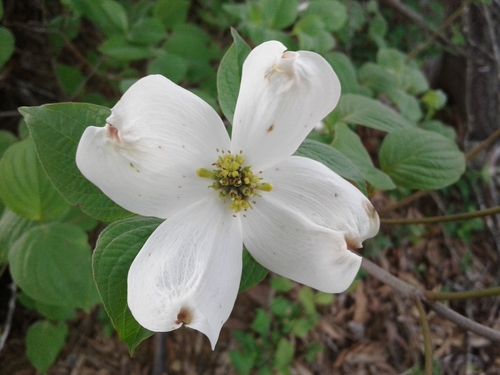
Flowering dogwood
Cornus florida
Four white bracts in April, blocky bark, red berries for birds — not for you.
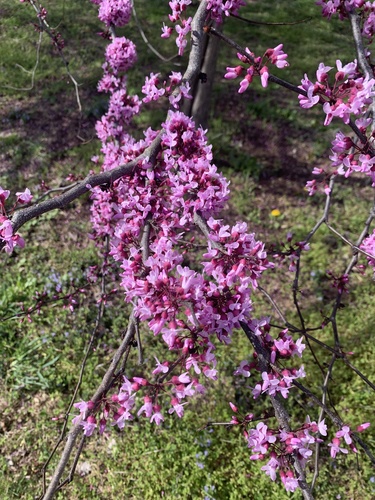
Eastern redbud
Cercis canadensis
Magenta pea-flowers on bare wood in April. Flowers and young pods are edible.
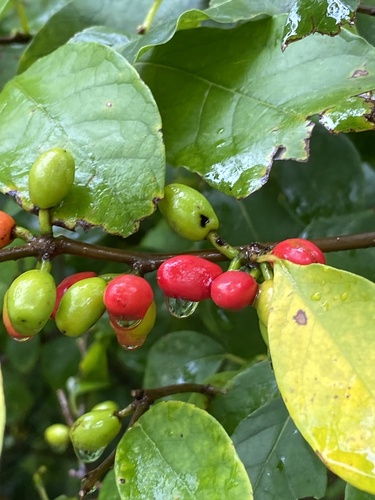
Spicebush
Lindera benzoin
Lemon-spice crushed leaves. The understory compass of rich creek woods.
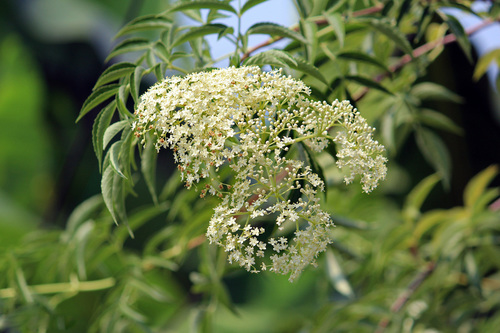
American elderberry
Sambucus canadensis
Flat white flower plates, then purple berry clusters. Cook the fruit; raw berries upset stomachs.
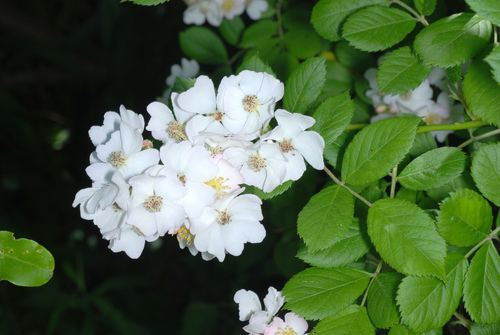
Multiflora rose
Rosa multiflora
Invasive living wire. Fringed stipules, clusters of small white roses, then hips.
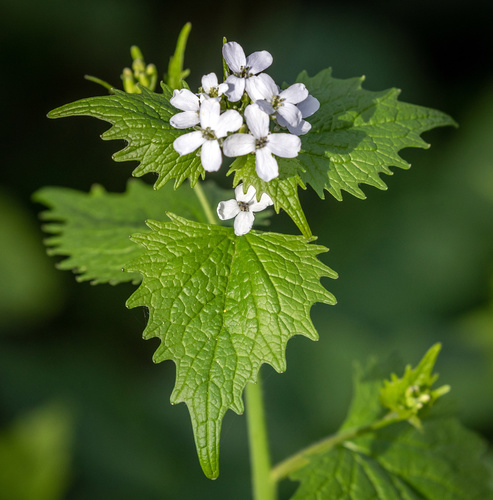
Garlic mustard
Alliaria petiolata
Invasive. First-year rosette, second-year white four-petal flowers. Pull it and eat it.
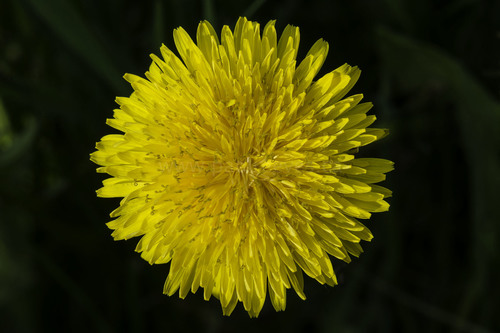
Dandelion
Taraxacum officinale
The emergency salad. Entire plant is food if you can stand the bitter.
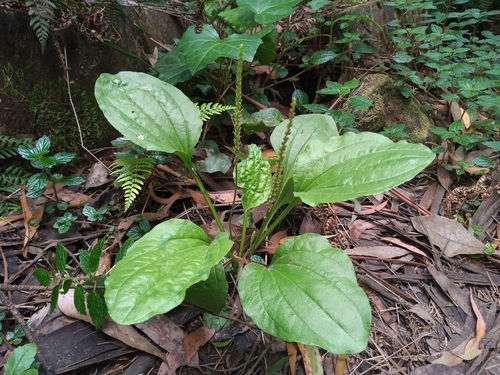
Broadleaf plantain
Plantago major
The ‘bandaid plant’. Ribbed basal leaves and a rat-tail flower spike.
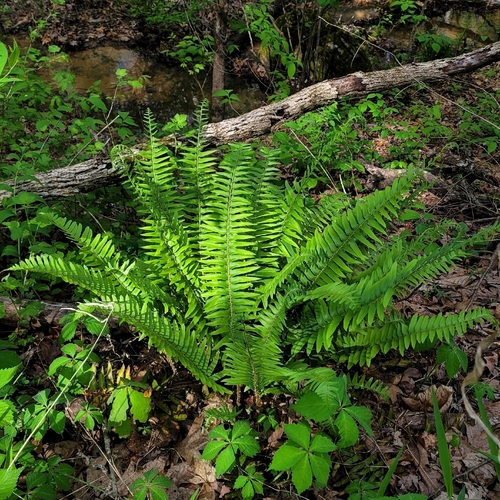
Christmas fern
Polystichum acrostichoides
Evergreen woodland fern. Each leaflet has a Christmas-stocking thumb.
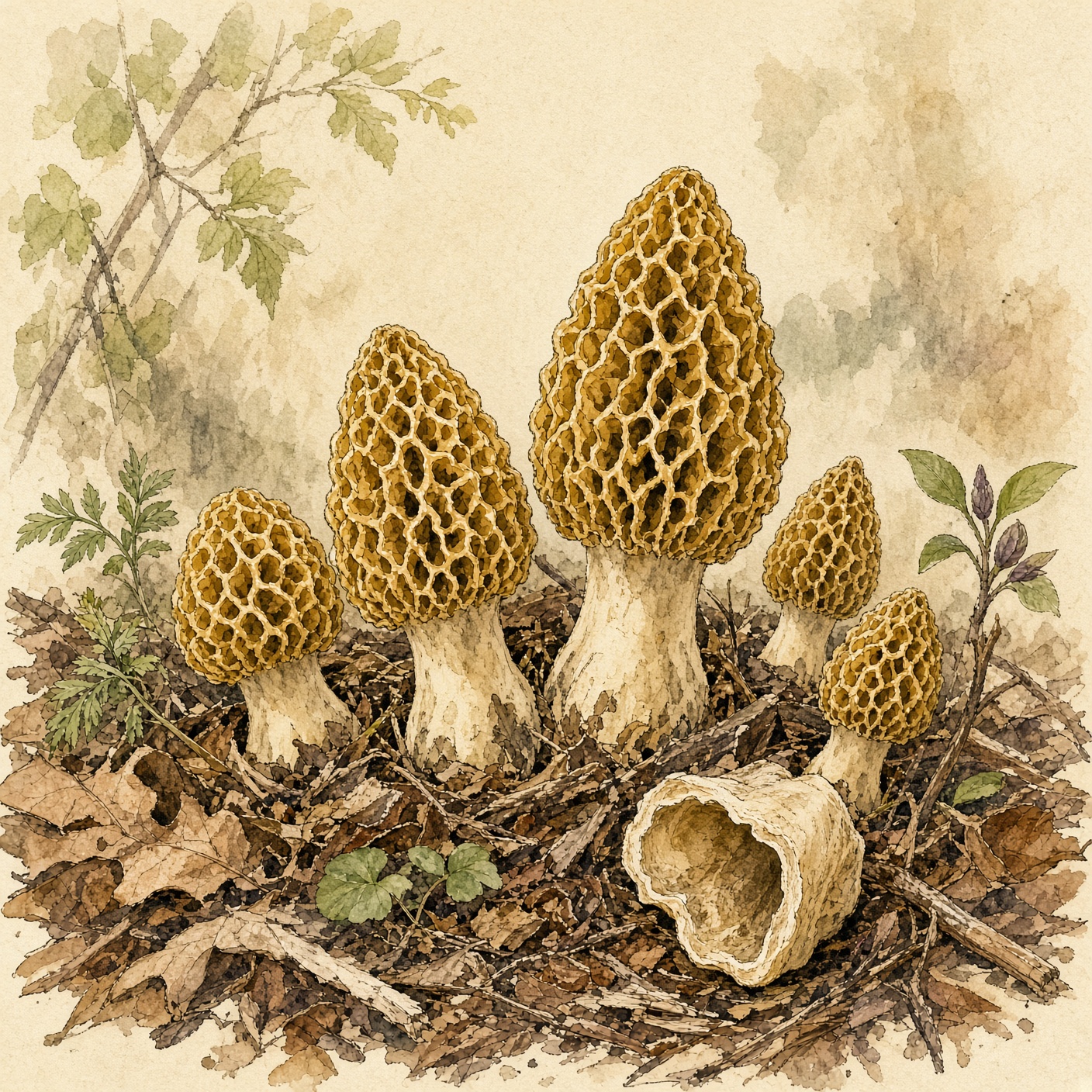
Yellow / gray morel
Morchella spp.
Honeycomb cap continuous with the stem, completely hollow. The spring prize — and a deadly lookalike test.
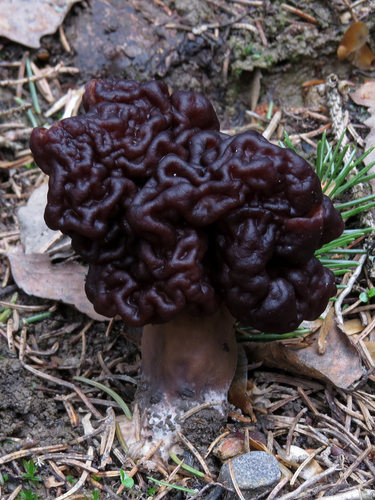
False morel
Gyromitra spp.
Wrinkled brain cap, stuffed stem. Contains gyromitrin, which becomes monomethylhydrazine.
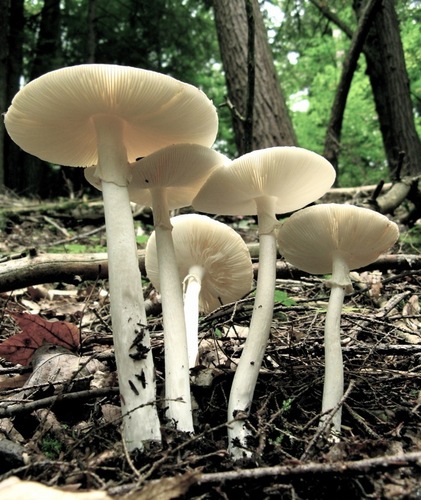
Destroying angel
Amanita bisporigera
Pure white amanita. Cup at the base, ring on the stem. Liver-killing. Looks like a button mushroom if you are careless.
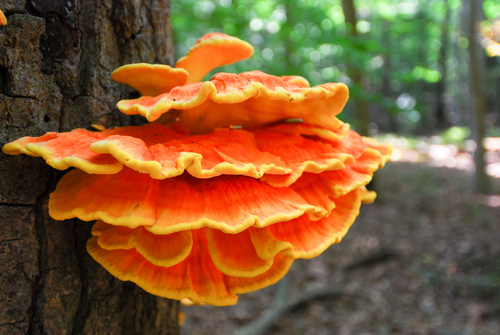
Chicken of the woods
Laetiporus sulphureus
Bright sulfur shelves on trees. Choice edible when young and on hardwood — still try a small bit first.
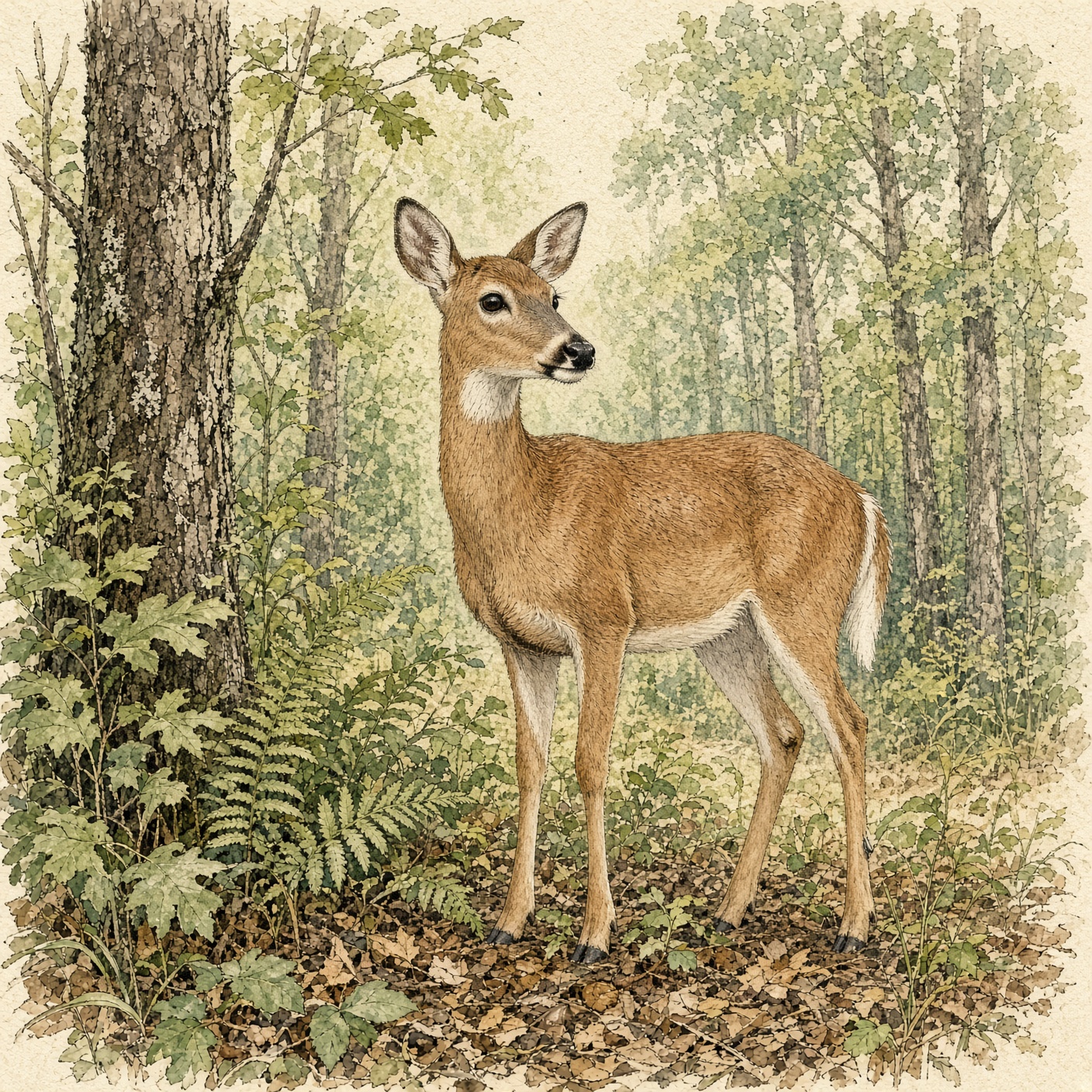
White-tailed deer
Odocoileus virginianus
The county’s main wild meat. Flag of white tail, summer red coat, winter gray.
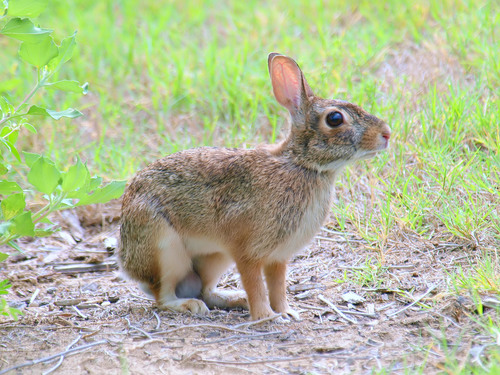
Eastern cottontail
Sylvilagus floridanus
The small wild meat of fencerows. Rusty nape, white powder-puff tail.
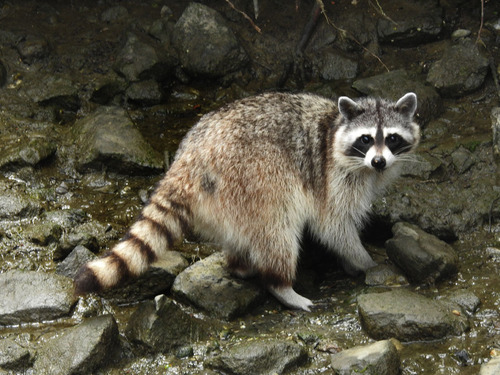
Raccoon
Procyon lotor
Masked night forager. Smart enough to open latches. Rabies and raccoon roundworm matter.
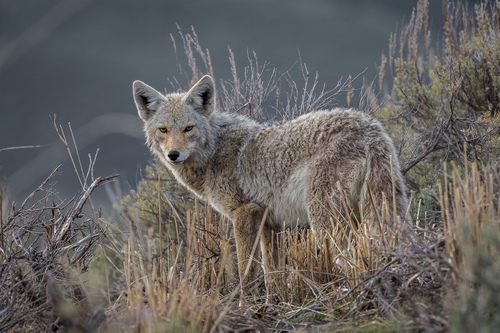
Coyote
Canis latrans
The night singer of the ridges. Takes chickens and kids of goats if you let it.
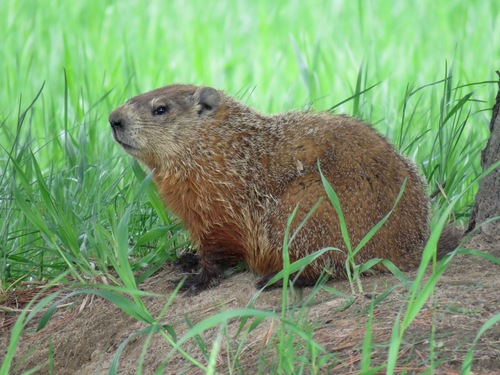
Groundhog
Marmota monax
Woodchuck. Garden thief, decent meat, burrows that break livestock legs.
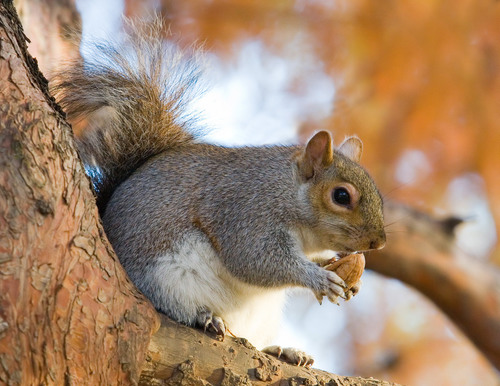
Eastern gray squirrel
Sciurus carolinensis
Everyday bushmeat of the oak-hickory woods.
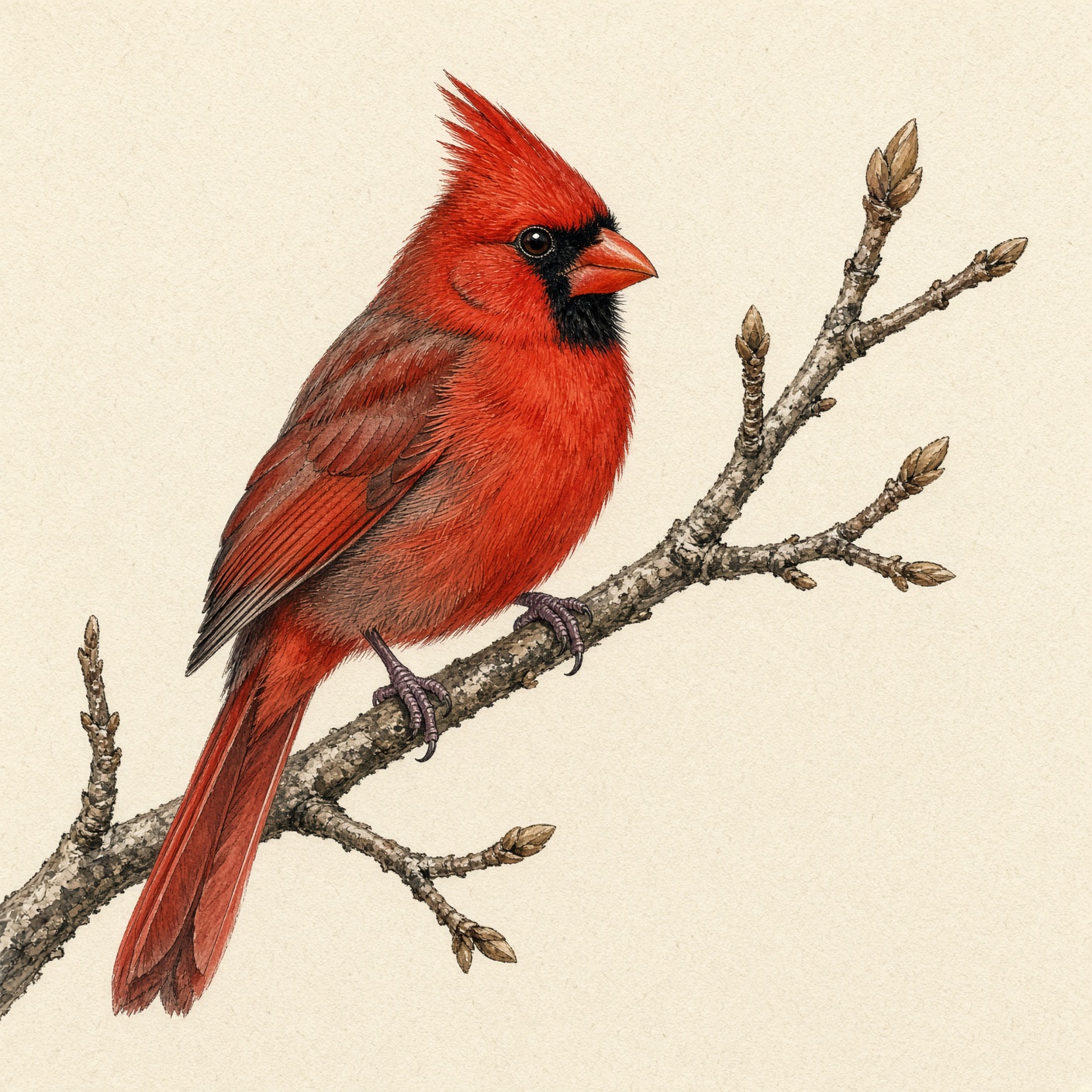
Northern cardinal
Cardinalis cardinalis
Year-round red bird of fencerows. Indiana’s state bird. Not a food species people bother with.
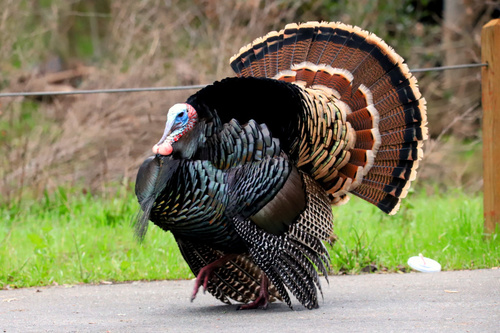
Wild turkey
Meleagris gallopavo
Big woodland fowl. A real emergency meat if you can hunt or trap legally — or must.
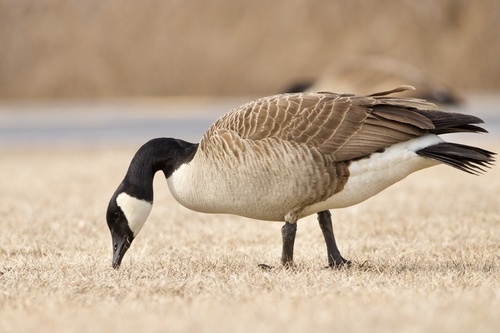
Canada goose
Branta canadensis
Black stocking head, white chinstrap. River and pond meat, greasy and dark.
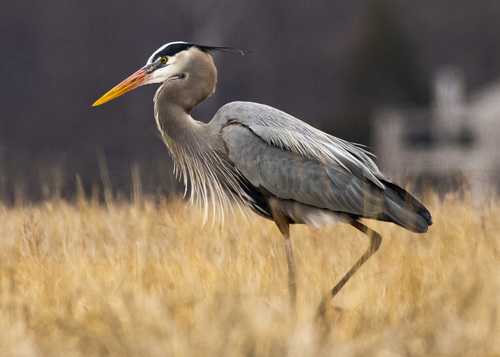
Great blue heron
Ardea herodias
Creek sentinel. Leave it — a poor meal and a working fisher you want around.
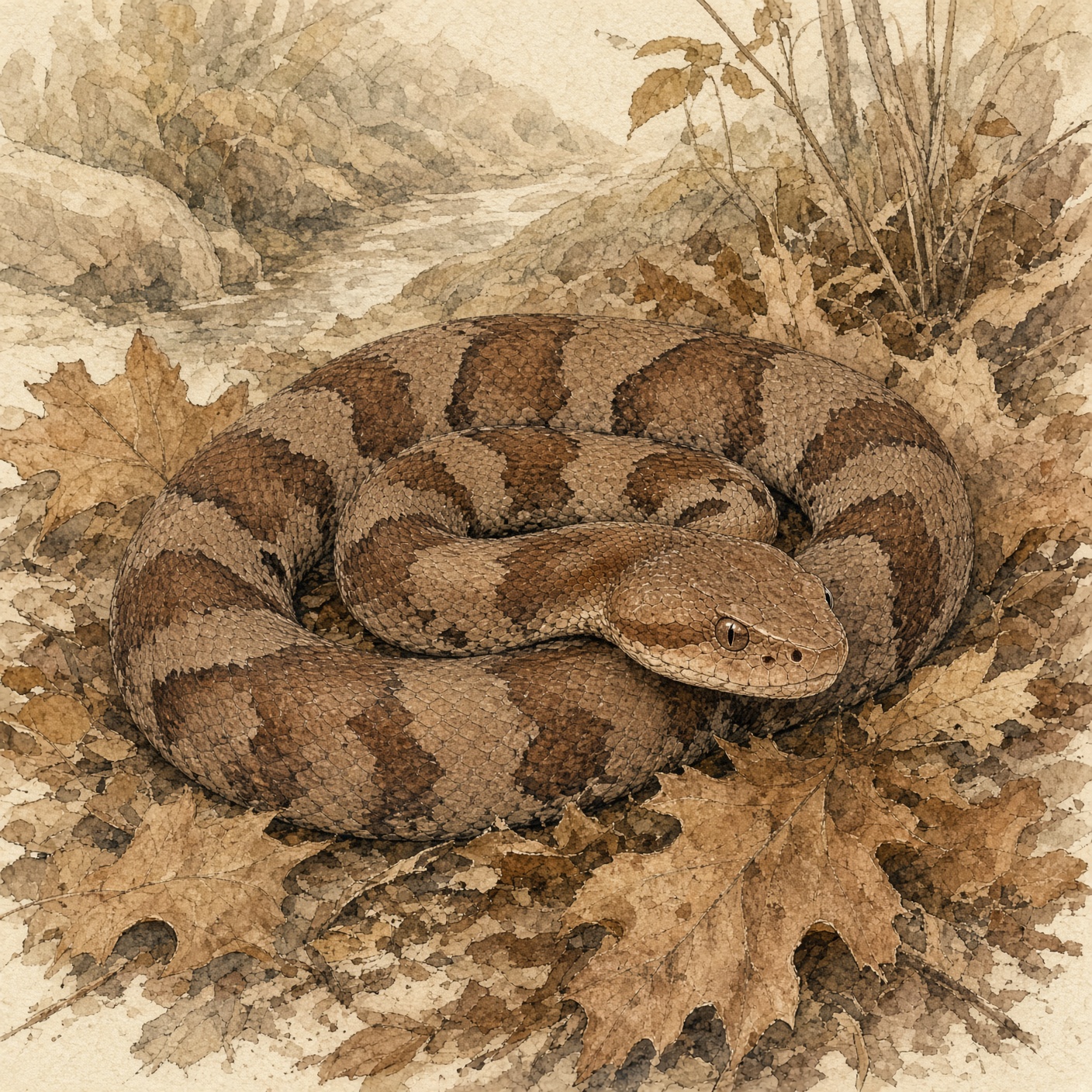
Eastern copperhead
Agkistrodon contortrix
The venomous snake you will actually meet in Dearborn County. Chestnut hourglasses on a copper body.
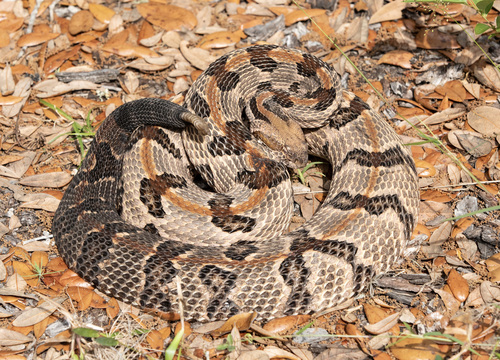
Timber rattlesnake
Crotalus horridus
Rare on these ridges now, still possible in rough Ohio River hills. Rattle, chevron bands, black tail.
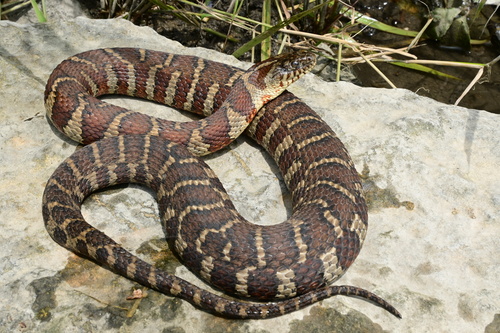
Northern watersnake
Nerodia sipedon
The snake people kill at the creek, thinking it is a water moccasin. It is not. Cottonmouths are not established here.
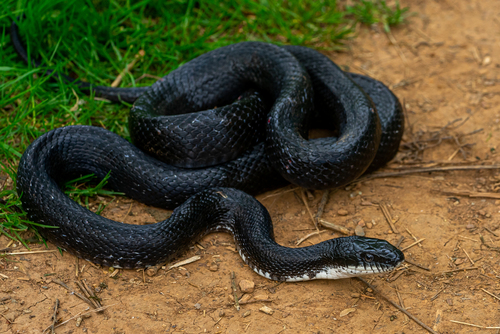
Eastern ratsnake
Pantherophis alleghaniensis
Black climber. Eats rats and eggs. Harmless, often in barns and rafters.
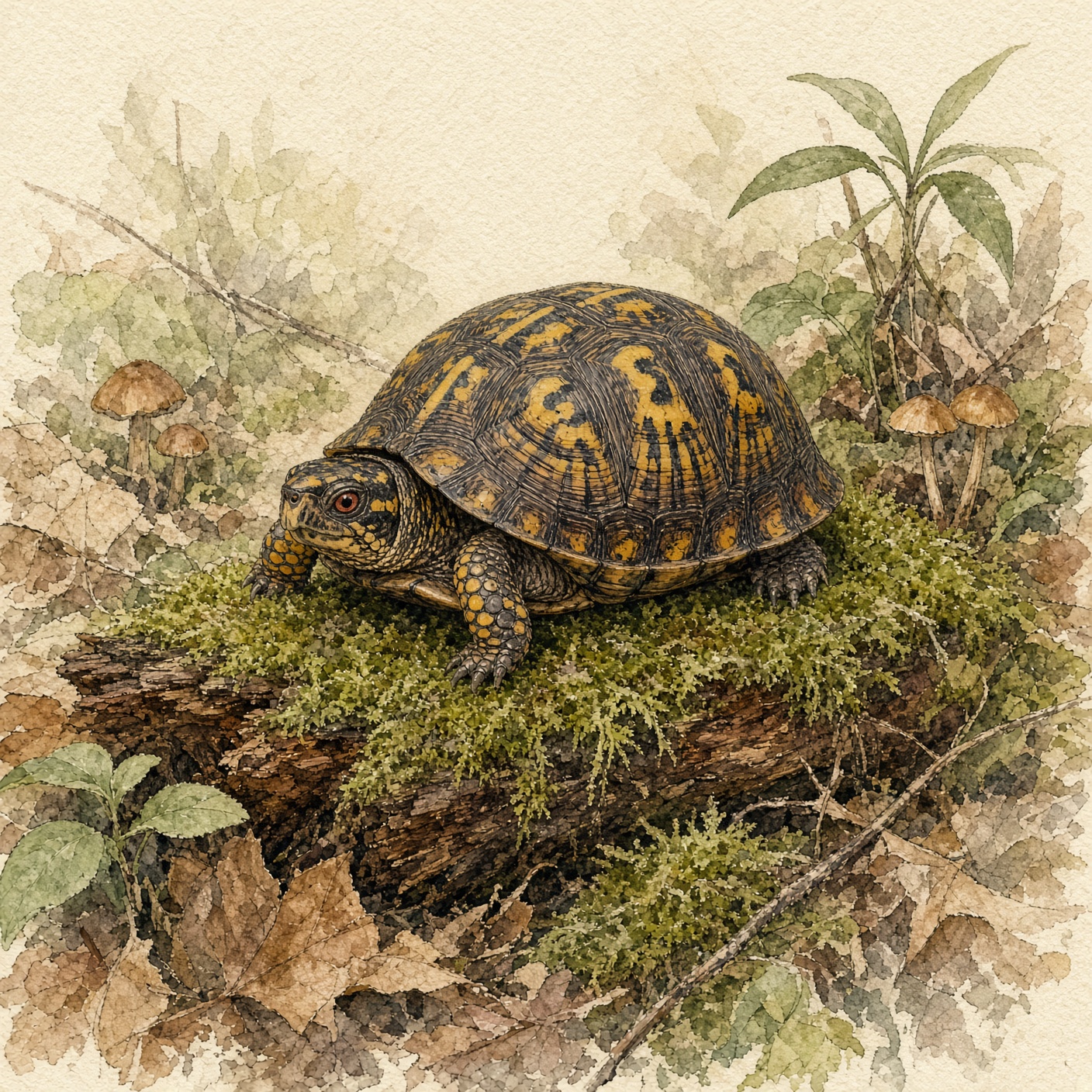
Eastern box turtle
Terrapene carolina
High-domed woodland turtle. Leave it. Populations cannot take harvesting.
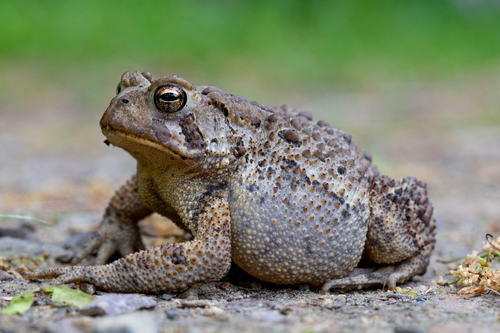
American toad
Anaxyrus americanus
Warty garden ally. One or two big warts in each dark spot. Eats slugs.
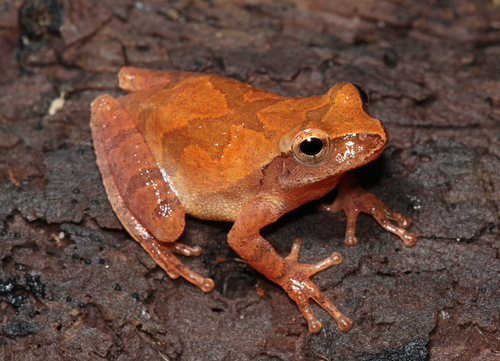
Spring peeper
Pseudacris crucifer
The first loud night of late winter. An X on the back. Tiny.
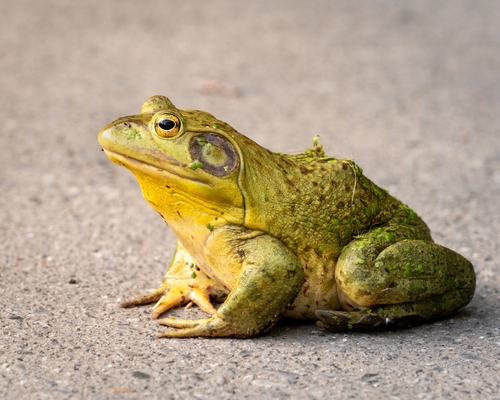
American bullfrog
Lithobates catesbeianus
The pond meat frog. No dorsolateral ridges down the back; a fold around the eardrum.
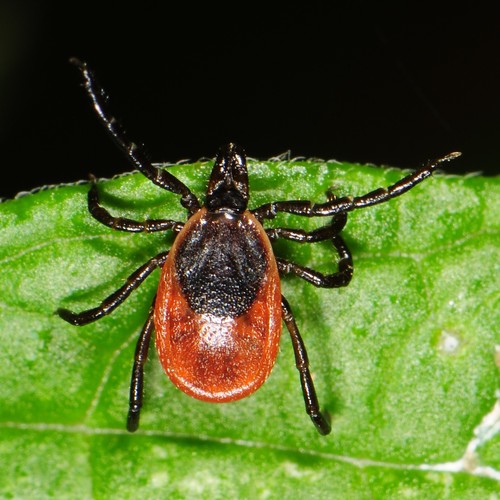
Black-legged tick
Ixodes scapularis
Deer tick. Lyme and other diseases. Smallest of the common ticks here.
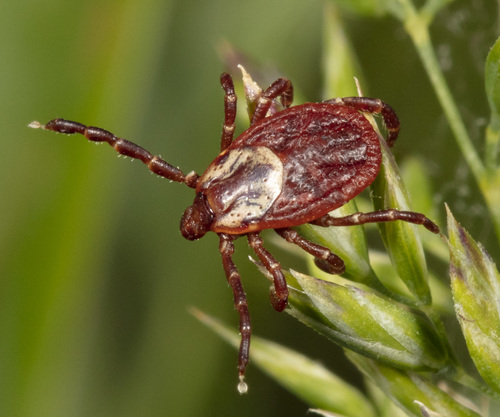
American dog tick
Dermacentor variabilis
Larger ornate tick of fields. Rocky Mountain spotted fever is possible; Lyme is not its usual gift.
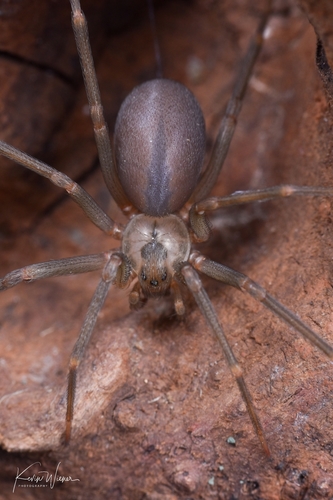
Brown recluse
Loxosceles reclusa
Violin mark, six eyes in pairs. Bites are uncommon and over-diagnosed — still take necrotic wounds seriously.
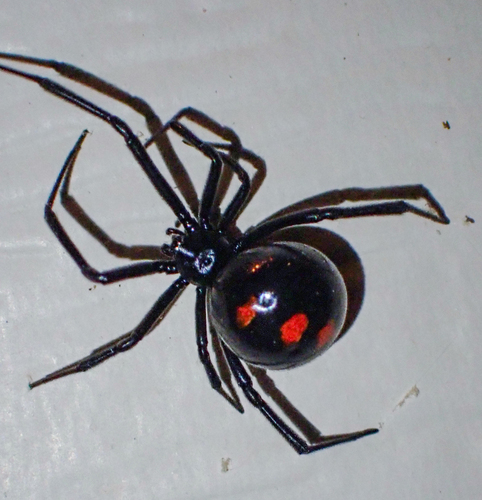
Northern black widow
Latrodectus variolus
Shiny black, red hourglass or split spots on the belly. Neurotoxic bite. Rarely fatal now, still an ER visit.
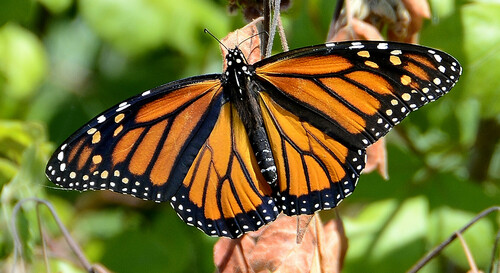
Monarch
Danaus plexippus
Orange migrant. Caterpillars on milkweed. Not food. A sign your pasture still works.
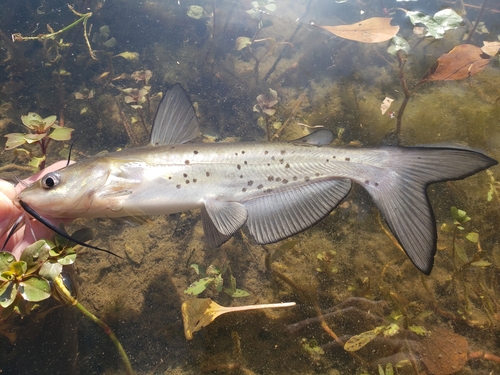
Channel catfish
Ictalurus punctatus
Forked tail, spots on young fish, four pairs of barbels. Main eating cat of the creek and river.
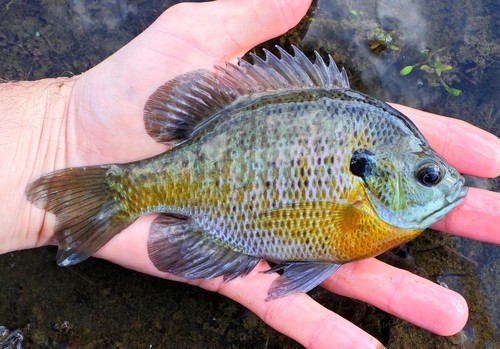
Bluegill
Lepomis macrochirus
The pond staple. Black ear flap, dark spot on the soft dorsal.
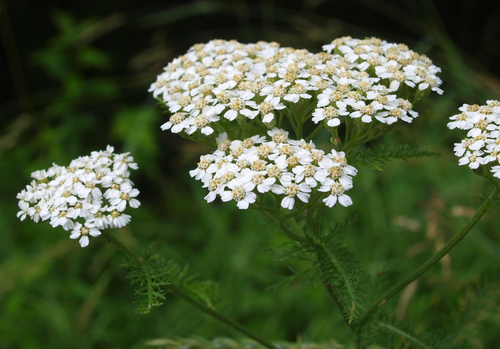
Yarrow
Achillea millefolium
Feathery aromatic leaves and a flat plate of tiny white flowers. Wound herb and fever tea.
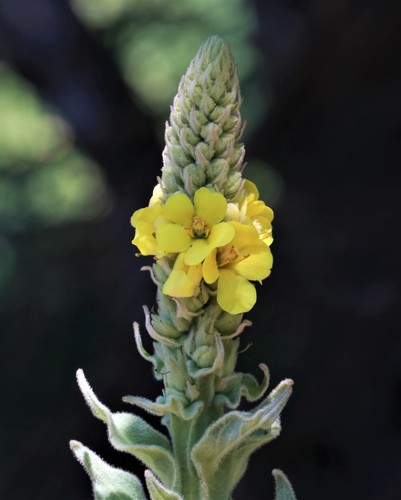
Common mullein
Verbascum thapsus
Woolly first-year rosette, then a tall yellow candle. The cough leaf of dry lots.
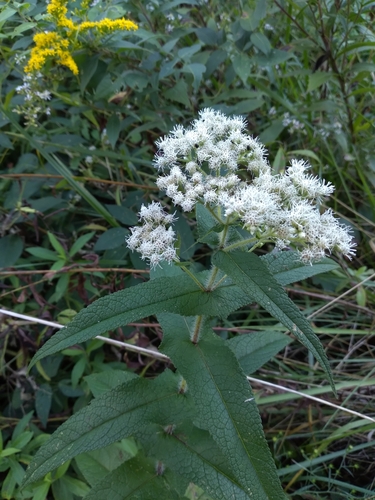
Boneset
Eupatorium perfoliatum
Wet-ground white flower plate. The stem grows through the joined leaf pair. Not white snakeroot.
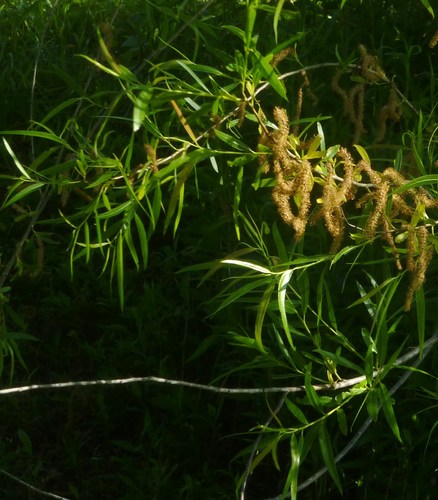
Black willow
Salix nigra
The creek aspirin tree. Narrow leaves, brittle twigs, catkins in spring.
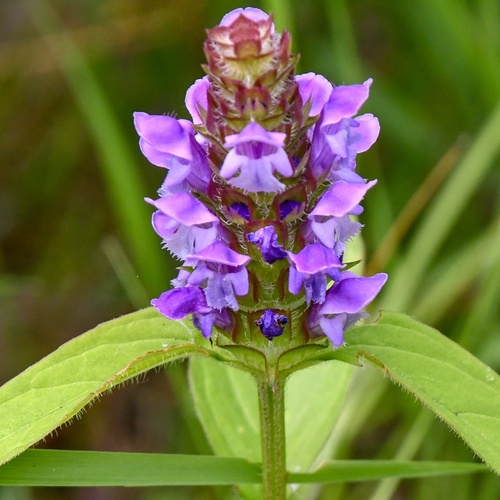
Self-heal
Prunella vulgaris
Low purple flower clubs in the lawn. A gentle throat gargle.
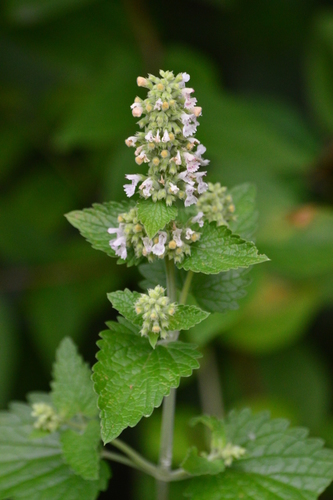
Catnip
Nepeta cataria
Gray-green mint that makes cats foolish and people sleepy. Old barn-lot plant.