Dillsboro, Indiana
Name what you see. Then live off this ground.
Camera identification for Dearborn County plants and wildlife, plus a full offline homestead manual: garden, livestock, harvest, and meat processing.
Point and name it
Camera ID when you have a signal. Offline field key and the whole homestead manual always work.
Offline field key
No signal needed. Answer what you can. Dangerous matches rise to the top.
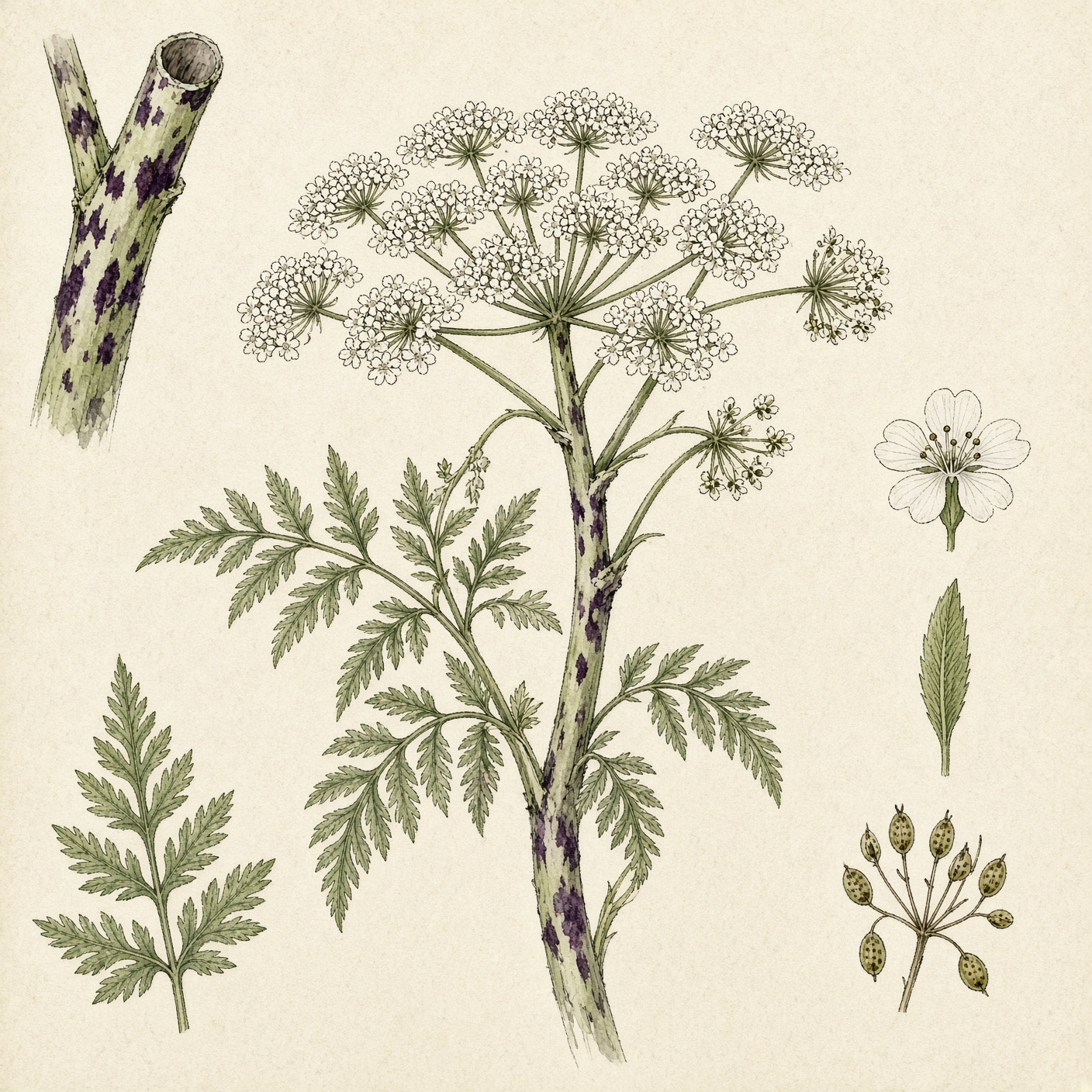
Poison hemlock
Conium maculatum
Purple-splotched hollow stems, lacy leaves, white umbels. Deadly. Do not touch your mouth after handling.
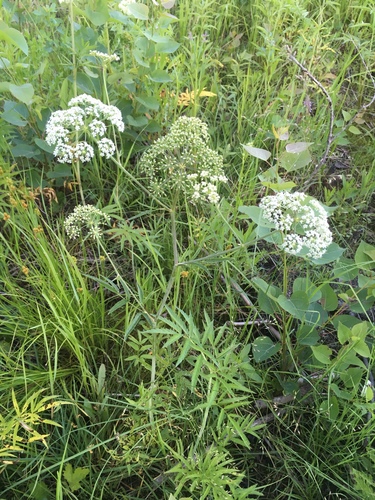
Water hemlock
Cicuta maculata
The most violently toxic plant in Indiana wetlands. Chambered root, purple-streaked stems.
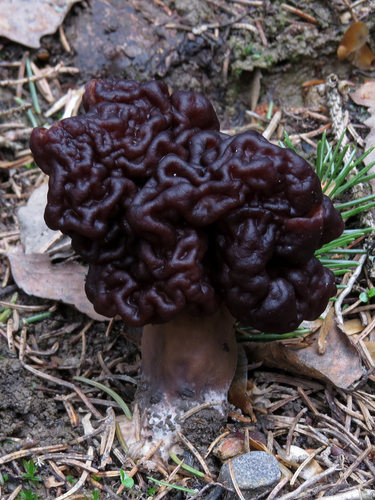
False morel
Gyromitra spp.
Wrinkled brain cap, stuffed stem. Contains gyromitrin, which becomes monomethylhydrazine.
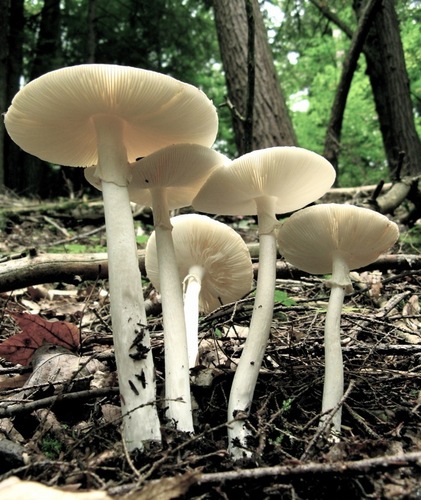
Destroying angel
Amanita bisporigera
Pure white amanita. Cup at the base, ring on the stem. Liver-killing. Looks like a button mushroom if you are careless.
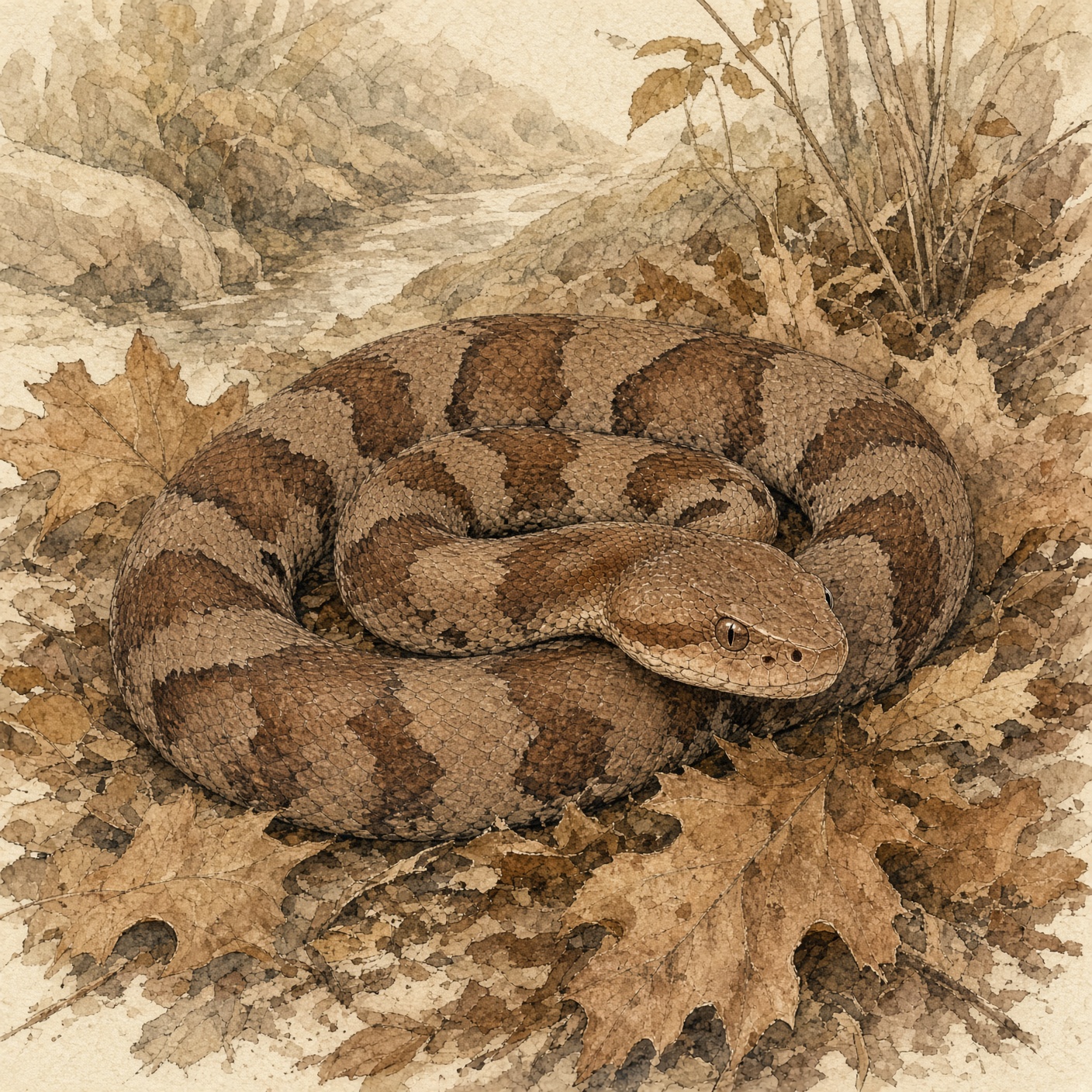
Eastern copperhead
Agkistrodon contortrix
The venomous snake you will actually meet in Dearborn County. Chestnut hourglasses on a copper body.
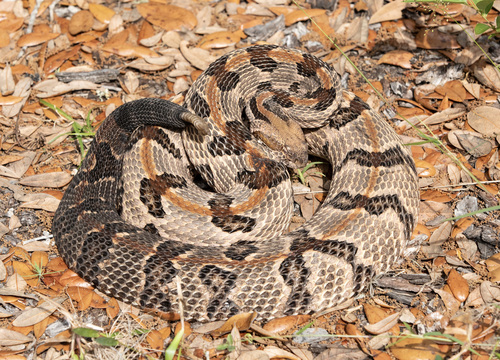
Timber rattlesnake
Crotalus horridus
Rare on these ridges now, still possible in rough Ohio River hills. Rattle, chevron bands, black tail.
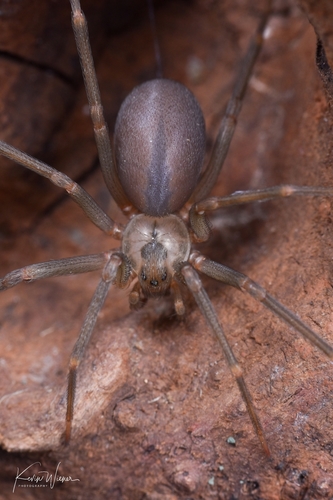
Brown recluse
Loxosceles reclusa
Violin mark, six eyes in pairs. Bites are uncommon and over-diagnosed — still take necrotic wounds seriously.
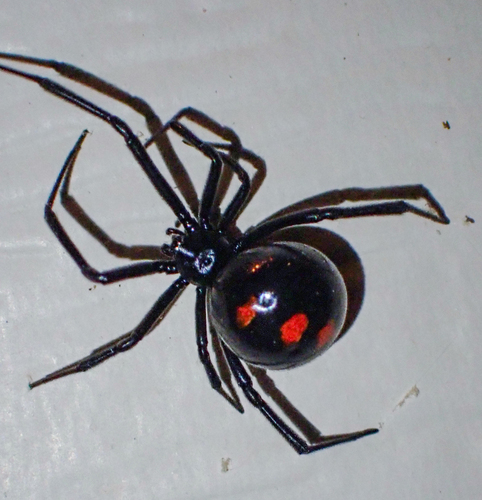
Northern black widow
Latrodectus variolus
Shiny black, red hourglass or split spots on the belly. Neurotoxic bite. Rarely fatal now, still an ER visit.
Grow
Zone 6a crops, livestock, tinctures.
Process
Hunt, trap, butcher, can, cellar.
Alert
First aid, poison, water, first 72 hours.