Fishing Laughery and the Ohio
Creek smallmouth, pond bluegill, and river cats — what bites when, and how to keep the meat.
The water you have
Floodwater is not a fishing trip. Laughery and the Ohio come up fast. If the water is in the trees, you are not wading. Strainers kill more creek anglers than fish ever will.
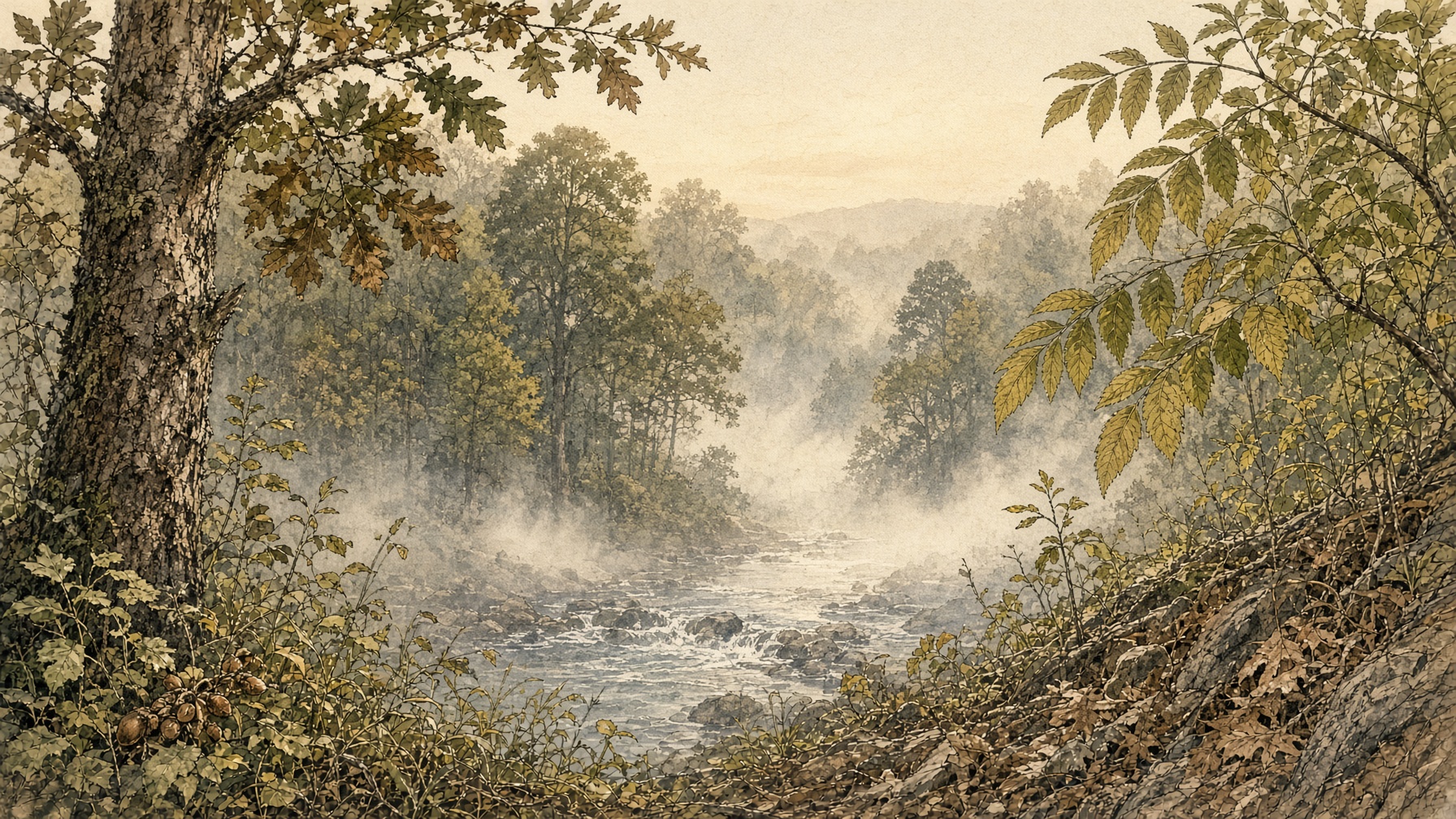
Laughery Creek is the home water: smallmouth and rock bass in the riffles, largemouth and bluegill in the sloughs, channel and flathead cats in the deep holes below Friendship and toward the Ohio. After a rain it blows out chocolate and unfishable for a day or two. After it drops and greens, it fishes.
The Ohio River at Aurora, Rising Sun, and Lawrenceburg is the meat water: channel, blue, and flathead catfish, sauger in the cold months, white bass and hybrid stripers on the current seams, drum anywhere. Treat river fish as food you earned, and check any remaining consumption advisories for the stretch you keep.
Farm ponds are the quiet protein factory. A well-managed pond gives bluegill and bass all summer if you don’t keep every 8-inch bass.
When they bite
| Water / fish | Best window |
|---|---|
| Laughery smallmouth | April–June and September–October, 55–72°F water, after a drop |
| Creek / pond bluegill | May beds on the full moon; all summer mornings and evenings |
| Channel cat (creek & river) | May–September nights; cut bait or nightcrawlers on the outside bend |
| Flathead cat | June–August nights, live bait on wood and rock, current seam |
| Ohio River sauger | November–March, below dams and on rock drops, jig and minnow |
| White bass / hybrids | April–May and fall, current breaks, white/chartreuse |
| Crappie (sloughs & ponds) | March–April as water hits the 50s; brush piles |
Note. A cheap thermometer is a better fishing partner than a new lure. Smallmouth turn on around 55°F and get lazy above the mid-70s except at first light.
A working creek day
- 1.Wade upstream so you muddy what you already fished. Felt or sticky boots — the limestone is grease.
- 2.Riffle tails and the heads of pools hold smallmouth. Pitch a 3-inch tube, a crayfish-colored jig, or a small crawler.
- 3.Deep outside bends and fallen sycamores hold cats. A slip sinker, a chunk of shad or sunfish, and patience after dark.
- 4.Keep what you will eat today plus what you can ice or can. A stringer in 80°F water cooks the fish before you get home — use a cooler.
- 5.Clean on the bank away from the drinking take-out. Guts go in the woods, not the riffle you swim in.
Keep and cook
A rusty hook and creek water is a tetanus story. Carry a pair of pliers. If a cat spine goes in, soak and see a clinic if you still have one — those wounds sour.
Bluegill and small creek bass: a quick knife, leave the skin if you want, flour, hog lard, cast iron. Channel cat: skin, not scale, pull the mud vein, soak in salt water if it tastes weedy, then fry or smoke.
Sauger from the Ohio in January is the best fish most people here never bother with. Jig the bottom. Fillet like a walleye.
If the grid is down: salt-cure or smoke the same day. Pressure-can fish 100 minutes for pints (USDA). Do not water-bath fish.
Licenses, while they last
Indiana fishing licenses are sold at gooutdoorsin.com and at local shops. Trout/salmon stamps are for stocked water you will not find on Laughery. Most inland fish here are open year-round. Size and bag limits exist — especially on bass. In a true emergency you will keep what feeds people; until then, keep the law. It is how the holes stay full.